Category: Water Testing

  • Why pH Isn’t Enough: The Hidden Danger Lurking in Your Water

    Why pH Isn’t Enough: The Hidden Danger Lurking in Your Water

    Why pH Isn’t Enough: The Hidden Danger Lurking in Your Water

    When it comes to water quality, most people obsess over one number: pH. It’s the go-to metric, printed on every bottle, tested in every pool, and discussed in every water treatment conversation.


    But here’s the truth—focusing only on pH is like checking your car’s fuel level and ignoring the engine oil. You might be fine for a while, but eventually, something’s going to break.


    What Is the Langalier Index?


    The Langalier Saturation Index (LSI) is a scientific formula used to predict the corrosive or scaling potential of water. It considers multiple factors—not just pH, but also alkalinity, calcium hardness, temperature, and total dissolved solids. In simple terms, it tells you whether your water will eat away at your pipes or leave behind mineral deposits.


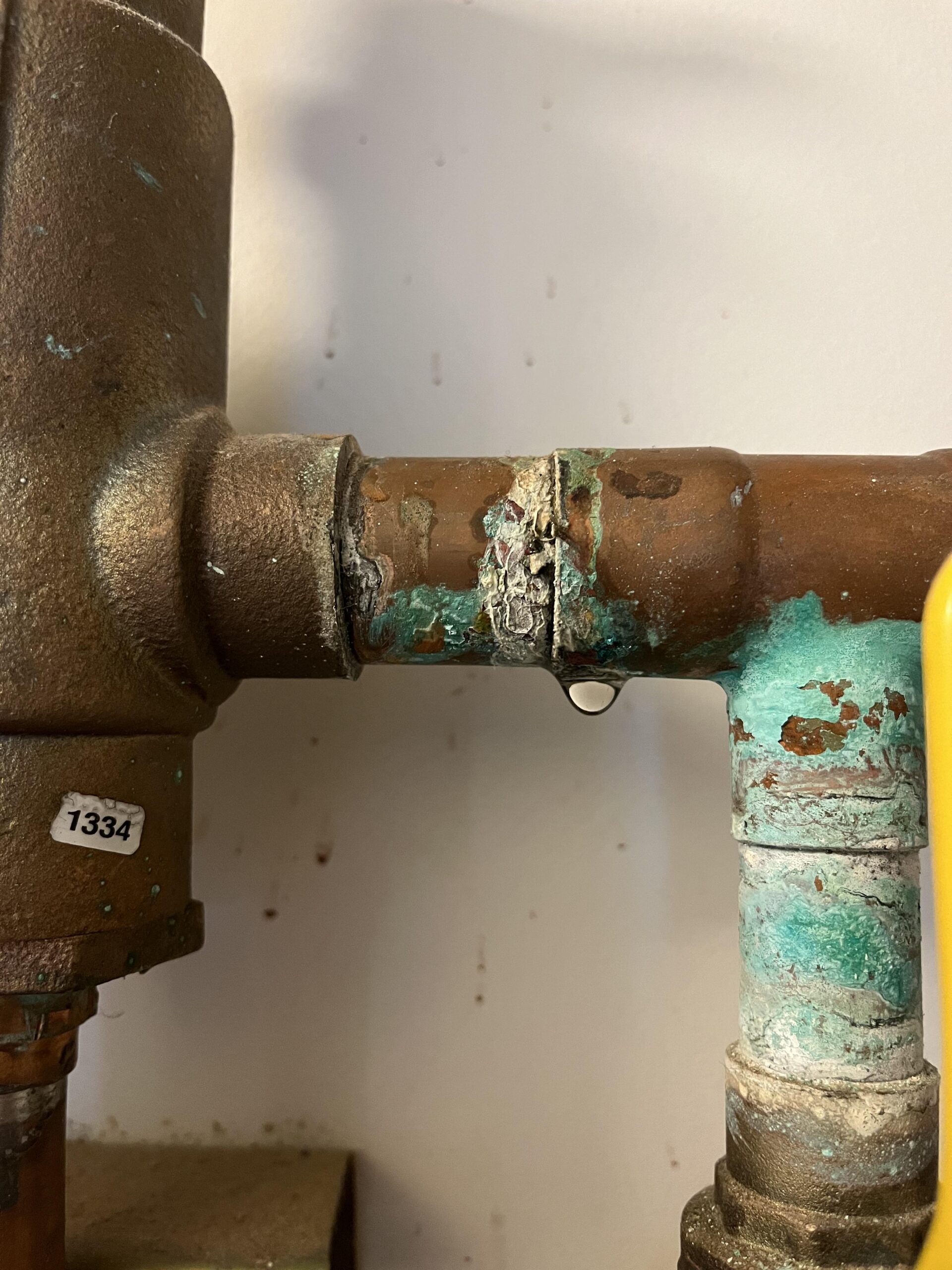
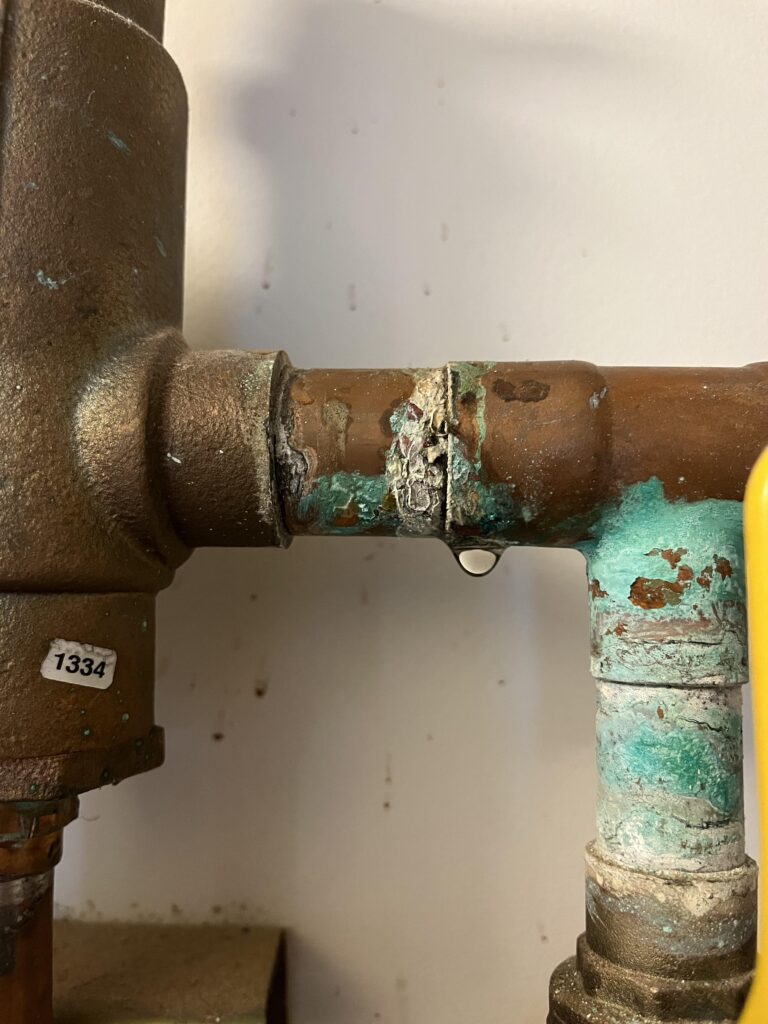
    Negative LSI: Water is corrosive. It will slowly destroy plumbing, fittings, geysers, and appliances.


    Positive LSI: Water is scaling. It leaves mineral buildup, which can clog pipes and reduce efficiency


    Balanced LSI: Water is stable. It won’t corrode or scale—this is the sweet spot.

    Why Most People Don’t Know About It

    Despite its importance, the Langalier Index remains a mystery to most homeowners. Why? Because pH is easier to test, easier to understand, and more widely marketed. But here’s the catch: water with a “normal” pH can still be highly corrosive if alkalinity and hardness are too low.

    This oversight is especially common in areas with soft water. Soft water feels great on your skin, but it often lacks the minerals needed to protect your plumbing. Combine that with low alkalinity, and you’ve got a recipe for disaster.

    BOOK A WATER TEST


    The Real-World Impact of Ignoring LSI

    Corrosive water doesn’t just damage your pipes—it affects everything:


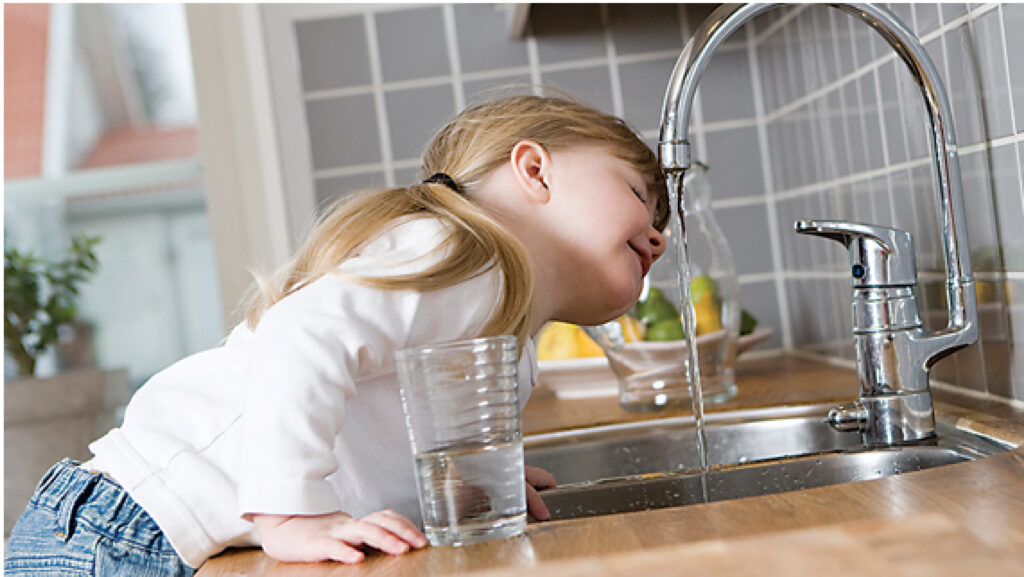
    Drinking water: May taste metallic or unpleasant.


    Car washing: Can leave spots, streaks, or even damage paint.


    Gardening: Plants may suffer from mineral imbalances.


    Swimming pools: Can erode pool surfaces and equipment.


    Appliances: Dishwashers, washing machines, and geysers wear out faster.


    And the worst part? The damage is irreversible. Replacing corroded plumbing and appliances can cost well over R100,000. That’s a steep price for something that could’ve been prevented.


    The Easy Fix

    Here’s the good news: preventing corrosive water damage is simple. At SANS Water, we recommend:


    Test your water properly—not just for pH, but for alkalinity, hardness, and LSI.


    Balance your water chemistry—adjust minerals to achieve a neutral Langalier Index.


    Install protective systems—like remineralizers or corrosion inhibitors if needed.


    With the right approach, you can protect your home, your health, and your wallet.


    Final Thoughts

    So next time someone asks about your water quality, don’t just say “the pH is fine.” Ask the real question: What is the Langalier Index? Because when it comes to water, balance isn’t just better—it’s essential.

    Want help testing your water or understanding your LSI score? Reach out to SANS Water. We’re here to make sure your water works for you—not against you.

  • Why You Need To Test Your Council Water

    Why You Need To Test Council Water

    Access to clean and safe drinking water is essential for our health. In many communities, council water sources may contain impurities, including chlorinechloride, and heavy metals. Understanding these contaminants and the importance of water testing and filtration can help ensure your family’s safety.

    Water Testing in Cape Town with SANS Water. We test ground water and council water with a SANAS accredited laboratory

    Understanding Chlorine and Chloride in Council Water

    Chlorine is commonly used in water treatment plants as a disinfectant. Its primary purpose is to eliminate harmful bacteria and viruses, ensuring that the water is safe for consumption. However, while chlorine effectively kills pathogens, it can lead to some undesirable effects in the water supply.

    Chloride, on the other hand, is a natural component found in many water sources. While it is typically harmless in small amounts, excessive chloride levels can compromise the taste of water and may indicate other underlying issues in water quality.

    The Presence of Metals in Water

    In addition to chlorine and chloride, many council water supplies might also contain heavy metals such as lead, arsenic, and mercury. These metals can seep into water supplies from aging infrastructure, industrial discharges, or natural deposits. Consumption of water with high metal concentrations can lead to serious health issues, including neurological damage and developmental problems in children.

    Why Water Testing Is Crucial

    Testing your water is essential for several reasons:

    1. Health Safety: Regular testing can help identify contaminants that are harmful to health. Knowing what’s in your water allows you to take appropriate action.
    2. Regulatory Compliance: Council water systems must adhere to specific regulations. Testing ensures that these systems meet safety standards.
    3. Peace of Mind: Understanding the quality of your drinking water can alleviate health concerns and improve your overall quality of life.

    The Role of Water Filters

    Using water filters can significantly reduce the presence of chlorine, chloride, and heavy metals in your drinking water. Here’s why:

    • Enhanced Safety: Filters remove or reduce contaminants, ensuring healthier drinking water.
    • Improved Taste: By filtering out chlorine and other impurities, the taste of the water improves, making it more palatable.
    • Cost-Effectiveness: Though purchasing a water filter requires an initial investment, it can save you money in the long run by reducing the need for bottled water.

    Conclusion

    In conclusion, testing council water for chlorine, chloride, and metals is vital for maintaining public health. The presence of these contaminants may pose health risks, making water testing and filtration essential for safer drinking water. With the right steps, you can ensure that your family enjoys clean, safe, and pleasant-tasting water at home.

  • Businesses Need To Test Their Water

    Businesses Have To Test Their Water

    Water is an essential resource for any business, yet many companies overlook the importance of ensuring their water is safe and clean. For businesses in South Africa, the responsibility to provide clean water is not only a matter of corporate social responsibility but also a legal requirement. Specifically, regulations under OHSA (Occupational Health and Safety Act), COIDA (Compensation for Occupational Injuries and Diseases Act), and other governing bodies enforce standards to protect the rights of staff, clients, and visitors. Therefore, it is crucial for businesses to prioritize regular water testing to comply with these regulations and safeguard everyone’s health.

    Businesses are responsible for making sure their staff have safe, clean, good quality water.

    Firstly, clean water is fundamental to maintaining a safe and healthy working environment. Employees rely on safe water for drinking, sanitation, and hygiene. Without regular water testing, businesses risk exposing their staff to harmful contaminants that could cause illness or injury. This, in turn, affects productivity, increases absenteeism, and could lead to costly legal issues.

    Moreover, clients and visitors also expect access to clean water. Businesses that fail to meet water quality standards risk damaging their reputation and losing customer trust. Therefore, clean water is not just a health issue but a critical factor in business continuity and success.

    Legal Frameworks Enforcing Water Quality in South African Businesses

    Under the Occupational Health and Safety Act (OHSA), businesses must provide a safe working environment, which explicitly includes access to safe drinking water. OHSA requires employers to identify and mitigate any health risks that may arise in the workplace, making water testing an essential part of compliance.

    Similarly, the Compensation for Occupational Injuries and Diseases Act (COIDA) provides compensation to workers who suffer from work-related injuries or diseases. If unsafe water causes illness, COIDA can hold businesses liable for compensation claims. Thus, regular water quality assessments help businesses avoid such liabilities.

    In addition to OHSA and COIDA, other governing bodies like the Department of Water and Sanitation (DWS) and the South African National Standards (SANS 241) set specific water quality standards that businesses must meet. These standards ensure that the water supplied within commercial premises is safe for consumption and use.

    How Water Testing Helps Businesses Stay Compliant and Protect Health

    Regular water testing enables businesses to identify contamination issues before they become serious problems. By analyzing parameters such as bacteria, heavy metals, pH, and chemical pollutants, companies can take timely corrective action to improve water quality.

    Furthermore, documented water testing reports provide businesses with evidence of compliance when inspected by authorities. This not only demonstrates a commitment to health and safety but also protects businesses from potential fines or shutdowns.

    Conclusion

    In conclusion, businesses in South Africa must prioritize water testing to ensure they meet the requirements set by OHSA, COIDA, and other regulatory bodies. By doing so, businesses safeguard the health of their employees, clients, and visitors while avoiding legal and financial repercussions. Ultimately, clean water is a non-negotiable resource that every responsible business should provide. Book your water test now at www.sanswater.co.za


  • Keep Your Families Water Safe

    Keep Your Families Water Safe

    Wondering "How can I test my own water?" Discover the easiest way to test water with a SANS Water DIY water testing kit. Order a water testing kit today for SANAS-accredited SANS 241 results, with easy home delivery and collection!

    Why Water Testing Is Critical for Families Using Filtration Systems


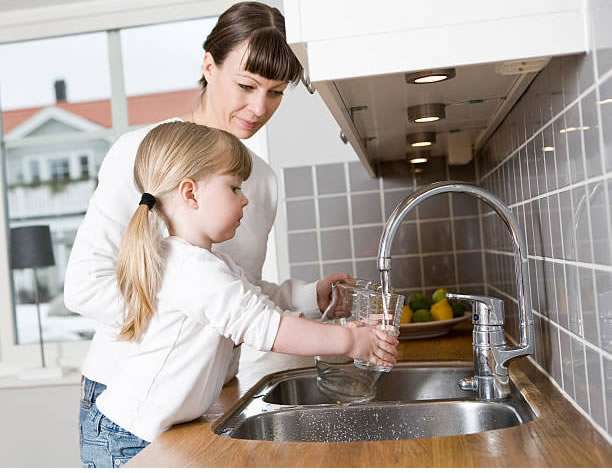
    Every parent wants to keep their family safe—but what if the greatest threat is coming straight from your tap? Whether you’re drinking from a filtered tap or filling up reusable bottles from a sleek home water dispenser, the assumption is always the same: your water is clean. But is it?

    Contaminants in tap, ground, or stored water don’t always announce themselves with a strange color or odour. Heavy metals, bacteria, pesticides, or chemical residues can quietly compromise your family’s health without any obvious signs. This is especially true in homes that rely on filtration systems or water storage tanks, where routine maintenance can be overlooked, and risks multiply over time.

    That’s where water testing becomes not just a smart choice—but an urgent one.

    Understanding exactly what’s in your water is the only way to know if your filtration system is doing its job or if you’re unknowingly exposing your loved ones to health hazards. In this article, we’ll explain why water testing is essential, what types of water should be tested, and how families can take action today.


    The Hidden Dangers of Not Testing Water

    Even the clearest water can carry harmful contaminants. Families across urban and rural areas alike are increasingly concerned about:

    • Lead and heavy metals from aging pipes
    • Bacterial contamination in storage tanks or groundwater
    • Chlorine and by-products in municipal water supplies
    • Pesticides and nitrates from agricultural runoff

    Filtered water may seem like the solution—but filters only work when they’re properly matched to the problem and maintained regularly. Without testing, it’s impossible to know what your family is drinking.


    Why Families with Filtration Systems Still Need Water Testing

    Having a water filtration system is a great first step—but it’s not a fail-safe.

    Here’s why testing is still critical:

    • Filters degrade over time. If not replaced on schedule, they may stop removing contaminants.
    • Not all filters are designed equally. Some remove chlorine but not lead; others filter bacteria but miss chemicals.
    • Changes in your water source—like seasonal groundwater shifts or local construction—can introduce new risks.

    Routine water testing ensures your system is working as intended and alerts you to any new threats that may require filter upgrades or additional treatment.


    Types of Water You Should Be Testing

    Most families only think about their tap water, but that’s just one piece of the puzzle. Here’s a breakdown of the water sources you should be paying attention to:

    Tap Water

    Even municipal water can contain residual chlorine, sediments, or unexpected contaminants from old pipes. If your home has children or pregnant family members, testing becomes even more important due to health risks from lead or nitrates.

    Groundwater (Borewell or Wellpoint Water)

    Groundwater can be naturally rich in minerals—but also vulnerable to agricultural chemicals, pathogens, or industrial waste. This type of water varies seasonally and requires regular testing to remain safe for use.

    Filtered Water

    Think of filtered water as “managed” water, not guaranteed safe water. Testing helps verify that your filter is still performing correctly and hasn’t become a breeding ground for bacteria.

    Stored Water (Tanks and Containers)

    Stagnant water stored in tanks, especially under sunlight or without cleaning, can develop biofilms or harbor contaminants. Testing storage water is essential for households relying on rainwater harvesting or regular tank storage.


    What Can Water Testing Detect?

    Professional water testing services like SANS Water can screen for:

    • Microbiological contaminants (E. coli, coliforms)
    • Chemical pollutants (chlorine, fluoride, nitrates)
    • Heavy metals (lead, arsenic, mercury)
    • Water hardness and pH levels
    • Pesticide residue in agricultural regions

    These tests provide data you can act on—whether that means switching filters, deep-cleaning your tank, or installing secondary treatment systems.


    How to Get Your Water Tested: Simple Steps for Families

    The good news? Getting your water tested is easier than you might think. Here’s how you can get started:

    1. Identify the source(s) you want to test—tap, well, filtered, stored, or all of them.
    2. Schedule a professional test through a trusted service like SANS Water, which specializes in residential & business water quality.
    3. Review your report with the help of experts. Understand what each parameter means and what actions (if any) are needed.
    4. Take action based on the results. This might include:

      • Changing or upgrading filters
      • Flushing pipes
      • Cleaning water tanks
      • Installing advanced treatment options like UV or RO systems


    Real Risks, Real Stories

    Consider this: a family in a suburban area with a new water purifier assumed their drinking water was clean. A routine test revealed trace levels of lead, likely from old internal plumbing. The filter they installed wasn’t rated to remove heavy metals. With that one test, they switched to the correct filtration system—and avoided long-term exposure.

    Another household using borewell water found dangerously high levels of nitrates, a known risk for infants and young children. Their test results prompted them to treat their well and install a nitrate-removal unit.

    These are not rare stories—they’re becoming more common as families become more aware of what’s in their water.


    Don’t Wait Until It’s Too Late

    When it comes to your family’s health, uncertainty isn’t an option. Water may look clean, taste fine, and seem harmless—but the risks often hide beneath the surface.

    Testing your water is not an overreaction. It’s a responsible, proactive move that ensures your filtration systems are working, your pipes aren’t adding contaminants, and your storage methods are safe.

    SANS Water offers comprehensive water testing services for families who care about what’s really coming out of their taps. Whether you’re relying on groundwater, storage tanks, or filtered supply, now is the time to act.


    Final Thoughts

    Clean water is essential—but assuming your water is clean is a gamble. With increasing pollution, aging infrastructure, and evolving environmental challenges, routine water testing is no longer optional—it’s urgent.

    Make testing part of your family’s safety checklist. Protect your loved ones by staying informed and making decisions based on real data, not guesswork.

    Want to learn more about keeping your water safe? Explore more resources from SANS Water and take the first step toward a cleaner, healthier home.