mike@sanswater.co.za / call: 0844004300
- Home
- Water Testing
- Filtration
- Pricing
- Our Articles
- The Benefits of Installing a Water Filtration System in Your Home
- The Hidden Journey of Water: Infrastructure, Quality and Risk
- Water Testing Before Water Filtration
- Water Compliance is Key
- Easy To Test Your Drinking Water With Our Water Test Kit
- The Easiest Way To Test Your Water.
- The Advantages of Using Filtered Ground Water in Your Home
- How to Save Water in South Africa: Practical Tips for Every Household
- Essential Guide to Water Testing in Cape Town: Is Your Water Safe?
- Why & How To Cover Your Back When It Comes To Your Water Quality
- SA Water Crisis
- Managing Effluent Water Testing
- SANS 241 Water Testing
- Why pH Isn’t Enough: The Hidden Danger Lurking in Your Water
- Businesses Need To Test Their Water
- Why You Need To Test Your Council Water
- Why Water Testing Is So Important
- Businesses Need A Water Audit
- It Is Vital To Maintain Your Filtration System
- Water Testing For Corrosive Water
- Contact Us
The Benefits of Installing a Water Filtration System in Your Home
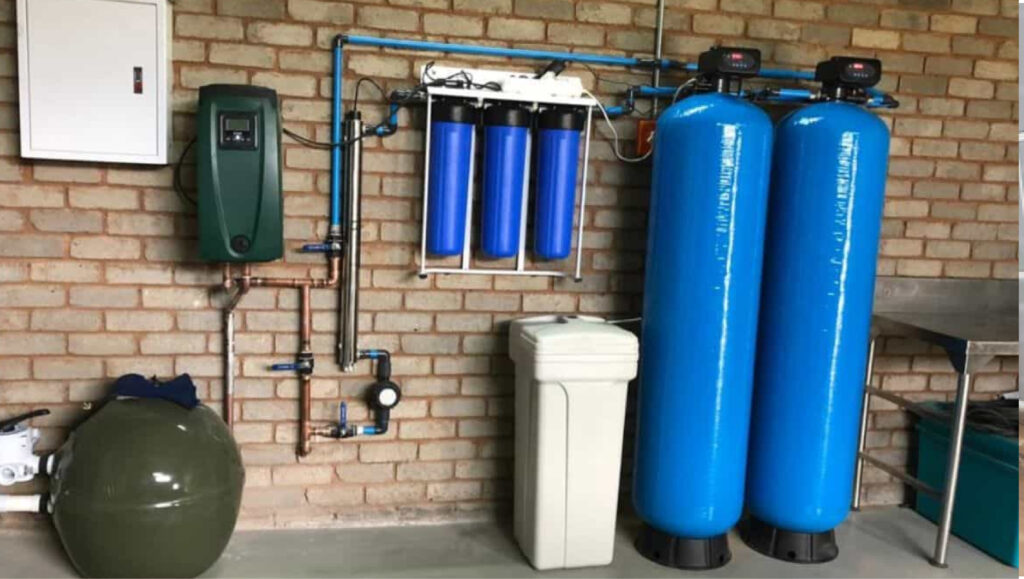
Clean, reliable water is essential for every household. However, rising municipal water costs and frequent supply interruptions create growing concerns.
Fortunately, an alternative water supply and a suitable water filtration system can give homeowners greater control over their water.
Boreholes, wellpoints, and rainwater harvesting systems offer practical alternatives to municipal supplies.
A comprehensive SANS 241 laboratory water test should always come before choosing a filtration system.
Furthermore, the correct treatment system can provide excellent water quality, improve reliability, and reduce long-term expenses.
However, every water source differs. Therefore, professional water testing
Enjoy Water Independence During Municipal Water Shortages
One of the greatest benefits of a filtration system is greater independence from municipal water supplies.
During water shortages, burst pipes, infrastructure failures, or scheduled interruptions, households often lose access to running water.
However, an alternative water source can protect your household against these disruptions.
For example, a borehole can supply groundwater to storage tanks and a suitable filtration system.
Similarly, rainwater harvesting systems collect and store water for various household applications.
Consequently, your family can continue essential activities even when municipal supplies fail.
Depending on your system design, alternative water can supply:
- Drinking and cooking, once laboratory testing confirms water safety.
- Showering, bathing, and household cleaning.
- Washing clothes and operating household appliances.
- Flushing toilets and maintaining sanitation.
- Watering gardens and maintaining outdoor areas.
Additionally, storage tanks and backup power can improve reliability during electricity interruptions.
As a result, homeowners enjoy greater freedom, convenience, and control over their water supply.
Enjoy Excellent Water Quality With the Correct Filtration System
Municipal water treatment plants use disinfectants, including chlorine, to control harmful microorganisms and protect public health.
Although these chemicals serve an important purpose, some households dislike their taste and odour.
Fortunately, properly treated groundwater and harvested rainwater can provide excellent drinking water quality.
For example, suitable filtration technologies can reduce sediment, unwanted minerals, certain chemicals, and harmful microorganisms.
Furthermore, carefully designed systems can retain naturally occurring minerals where appropriate.
However, untreated groundwater and rainwater are not automatically healthier than municipal water.
These sources may contain bacteria, heavy metals, agricultural contaminants, or naturally occurring chemicals.
Therefore, laboratory results should guide the selection of the best water filter for borehole water.
With the correct treatment, alternative water supplies can meet recognised drinking water standards.
For additional information, visit the World Health Organization’s drinking water guidance.
Save Money With Your Own Water Supply
An alternative water supply can significantly reduce long-term household water expenses.
Municipal water tariffs often place considerable pressure on household budgets, particularly when consumption increases.
However, borehole water and harvested rainwater can reduce your monthly reliance on municipal supplies.
For example, using alternative water for gardens, toilets, and laundry can generate substantial savings.
Furthermore, a properly treated supply may reduce municipal water consumption throughout the entire home.
Nevertheless, homeowners should consider installation and operating expenses before investing.
These costs may include drilling, storage tanks, pumps, electricity, filtration equipment, servicing, and laboratory testing.
When comparing water filtration system prices South Africa, consider the complete cost of ownership.
Importantly, the cheapest filtration system may not offer the best long-term value.
Therefore, professional advice can help you avoid unnecessary equipment purchases and expensive filtration mistakes.
Choose the Correct Water Filtration System for Your Home
Different water quality problems require different treatment technologies.
Consequently, homeowners should select water filtration systems for home use according to their laboratory results.
For example, the following technologies address specific water quality concerns:
- Sediment filters: Remove sand, dirt, and suspended particles.
- Activated carbon filters: Reduce certain organic contaminants, unpleasant tastes, and odours.
- UV disinfection: Inactivates susceptible microorganisms under suitable operating conditions.
- Reverse osmosis: Reduces many dissolved salts, metals, and other contaminants.
- Water softeners: Reduce calcium and magnesium hardness.
- Specialised iron filters: Remove iron through appropriate treatment processes.
Importantly, no single filtration technology can solve every water quality problem.
Therefore, professional water testing provides an essential starting point before purchasing filtration equipment.
How to Remove Iron From Borehole Water
Iron frequently occurs in groundwater and can cause several household problems.
Although iron mainly affects appearance and taste, excessive concentrations can create unpleasant staining and deposits.
For example, homeowners may notice brown stains on sanitaryware, laundry, and plumbing fixtures.
Additionally, iron deposits can accumulate inside pipes, valves, and filtration equipment.
When investigating how to remove iron from borehole water, start with professional laboratory testing.
A laboratory can measure iron concentrations, pH, manganese, and other relevant parameters.
Depending on the results, specialists may recommend oxidation, aeration, or specialised filtration.
Consequently, the correct treatment system can reduce staining and protect household plumbing.
How to Remove Bacteria From Water
Microbiological contamination presents another important water quality concern.
Surface runoff, septic systems, animals, and poorly maintained storage tanks can introduce harmful microorganisms into groundwater and rainwater.
Therefore, anyone researching how to remove bacteria from water should begin with microbiological testing.
Laboratory tests can identify E. coli and other relevant indicators of contamination.
Once the results identify potential risks, specialists can recommend appropriate treatment.
For example, UV disinfection, membrane filtration, or controlled chemical disinfection may provide suitable solutions.
However, UV systems require suitable water clarity, correct sizing, and regular maintenance.
Furthermore, follow-up testing helps confirm that the treatment system continues to perform effectively.
Why Borehole Water Testing Is Essential Before Installing Filtration
Every borehole has a different chemical and microbiological profile.
Consequently, homeowners should never select filtration equipment through guesswork.
Professional borehole water testing identifies contaminants and water quality problems that require attention.
For example, laboratory testing may reveal:
- Harmful bacteria or microbiological contamination.
- Excessive iron and manganese.
- High water hardness and scaling potential.
- Low pH and possible corrosion risks.
- Elevated dissolved salts.
- Heavy metals or other chemical contaminants.
Furthermore, testing can identify unnecessary filtration components and prevent excessive spending.
Therefore, laboratory results help specialists recommend suitable equipment for each water source.
At SANS Water, our specialists interpret laboratory results and explain what they mean for your household.
Additionally, we provide practical filtration recommendations based on your water quality.
Learn more about SANS Water’s water testing services.
How to Test if Tap Water Is Safe to Drink
Municipal treatment plants generally provide treated water to the distribution network.
However, infrastructure failures and distribution problems can sometimes affect water quality.
For example, pipe failures, pressure interruptions, or private plumbing problems may introduce contamination.
Therefore, homeowners researching how to test if tap water is safe to drink should consider accredited laboratory analysis.
Professional water testing can identify microbiological contamination and relevant chemical concerns.
Furthermore, laboratory results help determine whether additional treatment may be necessary.
When searching for a water testing laboratory near me, prioritise recognised accreditation and appropriate testing capabilities.
SANS Water works with SANAS-accredited laboratories and provides professional interpretation of laboratory results.
For additional information about laboratory accreditation, visit the South African National Accreditation System.
How Often Should Borehole Water Be Tested?
Many homeowners ask, how often should borehole water be tested?
Ideally, comprehensive testing should take place before anyone uses a new borehole for drinking water.
Thereafter, the water source, contamination risks, and intended use should determine the testing schedule.
For many residential boreholes, annual testing provides a useful starting point.
However, higher contamination risks may require more frequent microbiological testing.
Additionally, homeowners should arrange retesting after flooding, unusual odours, water discolouration, or filtration modifications.
Consequently, regular testing helps identify potential problems before they become serious.
Furthermore, routine testing helps verify that filtration equipment continues to perform correctly.
Why SANS Water Is the Right Company to Speak To
Choosing the correct filtration system can feel confusing, particularly when suppliers recommend different technologies.
Fortunately, SANS Water combines specialist water testing knowledge with practical filtration industry experience.
With 13 years of experience in the water filtration industry, SANS Water offers informed and practical guidance.
Furthermore, our specialists interpret laboratory results and identify suitable water treatment requirements.
Rather than recommending equipment without sufficient information, we first assess the water source and its quality.
Consequently, customers can make informed decisions based on actual laboratory results.
Whether you need a new borehole system, rainwater harvesting solution, or filtration upgrade, we can help.
SANS Water offers assistance with:
- Borehole, wellpoint, rainwater, and municipal water testing.
- Chemical and microbiological laboratory analysis.
- Professional interpretation of water quality results.
- Identification of suitable filtration technologies.
- Recommendations for new or existing water filtration systems.
- Follow-up testing to assess filtration effectiveness.
At SANS Water, we believe the correct filtration solution starts with understanding your water.
Take Control of Your Water Supply Today
A properly designed water filtration system can provide significant household benefits.
Firstly, an alternative water source can reduce your dependence on municipal supplies.
Secondly, it can lower long-term water expenses and improve household water security.
Furthermore, appropriate treatment can deliver excellent water quality for everyday use.
Most importantly, you can enjoy greater confidence in your household water supply.
However, every successful filtration system starts with understanding the actual water quality.
Before investing in filtration equipment, speak to the water testing and filtration specialists at SANS Water.
Contact Mike at SANS Water
Phone / WhatsApp: 084 400 4300
Website: www.sanswater.co.za
Explore our water testing services and discover the most suitable filtration solution for your home.
SANS Water — Building Africa’s Most Intelligent Water Consultancy.
© 2026 SANS Water | All rights reserved | Terms and Conditions | Design and development by Michael Hastie.
+27 (0) 21 788 1302 | mike@sanswater.co.za
50 Promenade Road, Lakeside, Cape Town, South Africa