Author: admin

  • It Is Vital To Maintain Your Filtration System

    It Is Vital To Maintain Your Filtration System

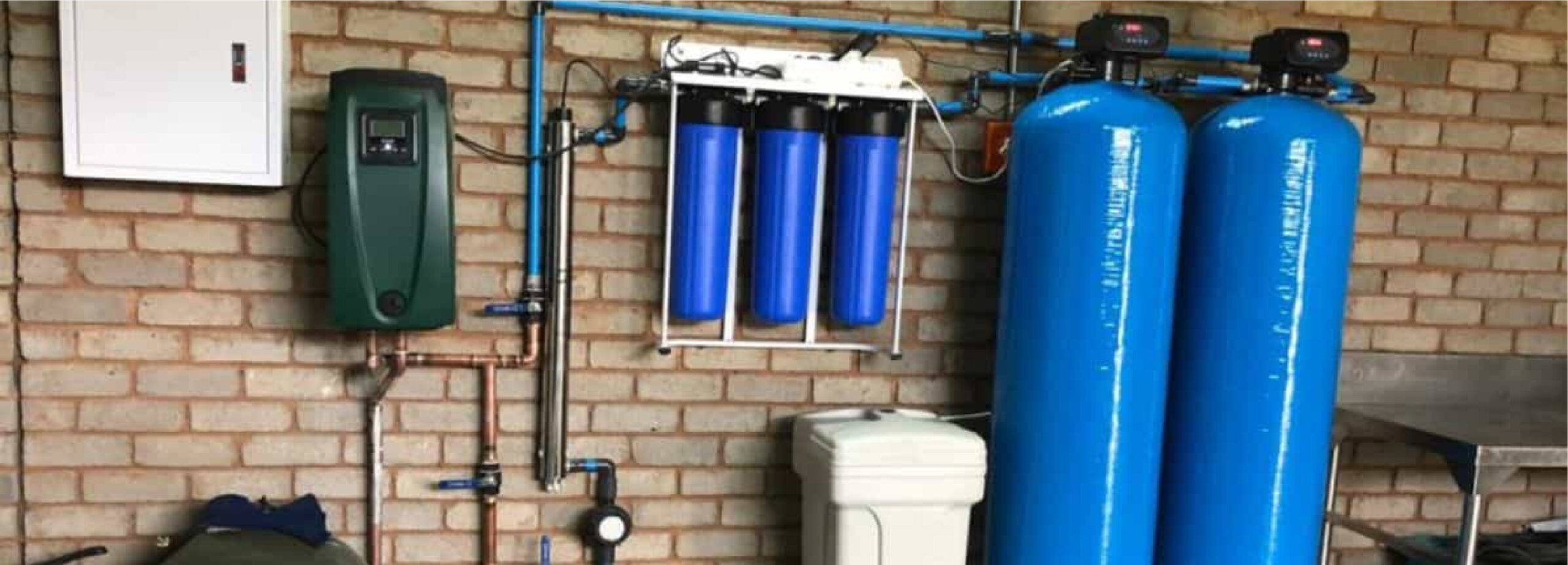
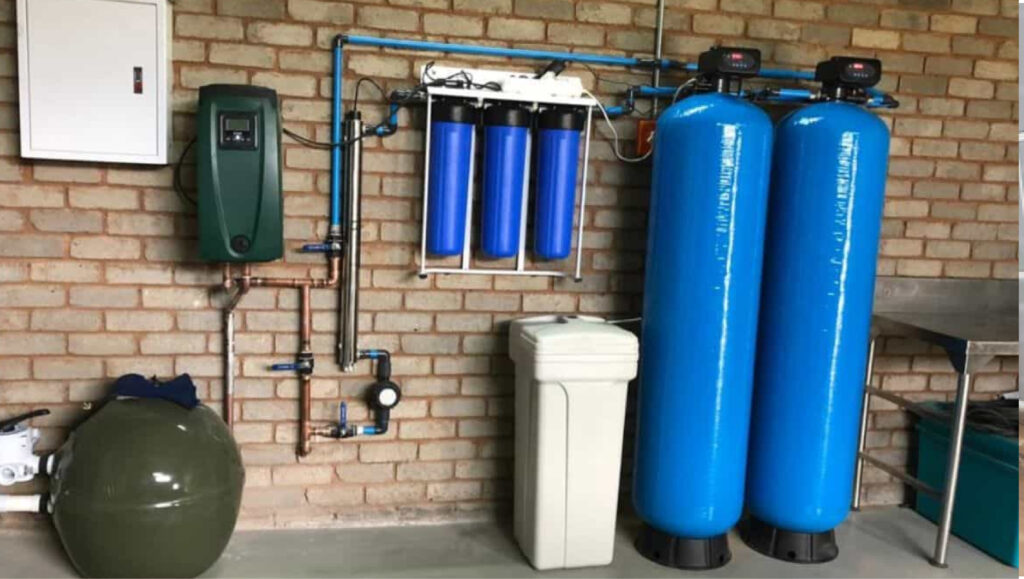
    Clean, safe water is something we often take for granted which is why, until the taste seems off or a filter light starts blinking or worse, we discover contaminants in our supply we don’t think twice about checking our Home Water Filtration System.
    Whether you rely on city mains, rain tanks, or borehole water, investing in a home water filtration system is a smart move.

    Water Filtration in Cape Town with SANS Water. We test ground water and council water with a SANAS accredited laboratory

    Maintaining your filtration system properly is what truly ensures your water stays fresh, safe, and free from harmful elements.

    The Silent Risk of a Forgotten Filter

    Most homeowners install a filtration system with the best intentions because you want to protect your family from chlorine, heavy metals, microplastics, and potential microbial risks.

    However, fast-forward six months when life gets busy, maintenance often slips to the bottom of the to-do list.

    Here’s what can happen when a system goes neglected:

    • Filters become clogged and reduce water pressure.
    • Bacteria can grow in dirty filters.
    • Contaminants slip through, defeating the purpose of filtration.
    • The system may break down prematurely, leading to costly repairs or replacements.

    It’s not just about keeping things running but also about protecting your health and your investment.

    Tailored Solutions Start with Proper Testing

    Before diving into the right maintenance schedule, it’s important to understand what your system is up against. This starts with comprehensive water testing.

    A lab-grade water analysis can detect:

    • Chemical content (like chlorine, nitrates, and pesticides)
    • Microbial contamination (such as E. coli or coliforms)
    • Mineral buildup (like iron, calcium, and magnesium)

    Each of these can affect what type of filtration system you need and how often you need to service it.

    For example:

    • High sediment levels may clog filters faster.
    • Elevated chlorine might mean more frequent carbon filter changes.
    • Mineral-rich water may call for water softening systems with regular salt refills.

    SANS Water provides in-depth water testing, giving you a clear picture of your unique water profile. That knowledge is the first step to building an effective, sustainable filtration plan.

    A Smarter Way to Keep Your System Performing

    Knowing the right time to service your system isn’t always straightforward. Filter lifespan varies based on water usage and quality. That’s why so many systems end up neglected—homeowners either forget or aren’t sure when maintenance is due.

    To make things easier, we recommend a quarterly system check. This simple service ensures:

    • Filters are replaced on time
    • Water pressure is tested
    • The system is cleaned and sanitized
    • Potential issues are spotted early

    This approach takes the guesswork out of maintenance and reduces the chance of costly breakdowns or water quality issues.

    Who Benefits Most from Regular Maintenance?

    If you fall into any of these categories, consistent upkeep is especially important:

    Homeowners You want peace of mind that your drinking water is clean and safe. Regular checks ensure your system works as intended.

    Rural & Regional Property Owners If you use tank, bore, or well water, you’re dealing with naturally variable conditions. Dirt, algae, and bacteria are common. Regular maintenance and water testing keep these in check.

    Health-Conscious Individuals If you care about reducing chemical exposure or avoiding microplastics, your filter is doing a big job. But it only works when maintained properly.

    Businesses in Hospitality, Healthcare, and Food Production Your water quality affects customer health and brand reputation. Consistent system performance is non-negotiable. Scheduled servicing keeps you compliant and confident.

    Builders & Plumbers Offering ongoing servicing or connecting clients with maintenance plans adds value to your installations and ensures longevity for the systems you provide.

    How to Make Maintenance Affordable and Hassle-Free

    One of the biggest reasons for poor maintenance? Cost and convenience. Some filters are pricey, and service schedules can feel like a chore.

    That’s where a managed plan makes all the difference. With SANS Water, our quarterly system check is designed to:

    • Keep costs reasonable with predictable pricing
    • Include all parts, filters, and labour
    • Offer friendly, local support
    • Provide reminders so you never forget a check-up

    It’s maintenance without the headache, and without the risk of overlooking something important.

    What a Quarterly Check Looks Like

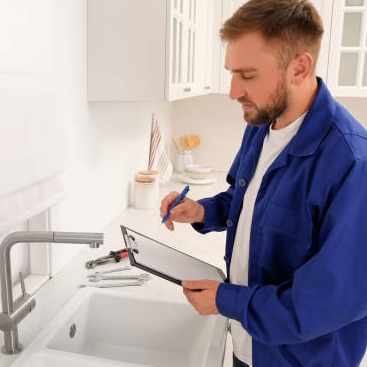
    You might be wondering what happens during these checks. Here’s a typical service visit:

    1. Visual inspection of the system and components
    2. Test incoming and filtered water for pressure and flow
    3. Filter replacement (based on need and schedule)
    4. Cleaning of housings and sanitization
    5. Optional water sampling for lab testing

    By the end of the visit, you’ll have full confidence your water is safe and your system is running optimally.

    Conclusion: Stay Protected, Stay Informed

    A home water filtration system is a powerful tool for safeguarding your health and improving your water quality. But without regular maintenance, even the best system can fail you. A quarterly check-up takes the stress out of staying on top of things, ensuring your investment keeps delivering clean, safe water.

    Whether you’re a homeowner, business, or rural property owner, ongoing support can save time, money, and worry. Want to learn more about what type of system or maintenance plan fits your needs? Explore our water testing services and filtration options to start your journey toward better water today.


  • Keep Your Families Water Safe

    Keep Your Families Water Safe

    Wondering "How can I test my own water?" Discover the easiest way to test water with a SANS Water DIY water testing kit. Order a water testing kit today for SANAS-accredited SANS 241 results, with easy home delivery and collection!

    Why Water Testing Is Critical for Families Using Filtration Systems


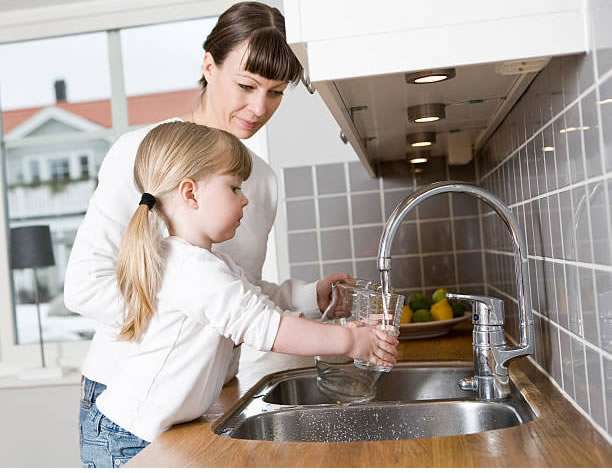
    Every parent wants to keep their family safe—but what if the greatest threat is coming straight from your tap? Whether you’re drinking from a filtered tap or filling up reusable bottles from a sleek home water dispenser, the assumption is always the same: your water is clean. But is it?

    Contaminants in tap, ground, or stored water don’t always announce themselves with a strange color or odour. Heavy metals, bacteria, pesticides, or chemical residues can quietly compromise your family’s health without any obvious signs. This is especially true in homes that rely on filtration systems or water storage tanks, where routine maintenance can be overlooked, and risks multiply over time.

    That’s where water testing becomes not just a smart choice—but an urgent one.

    Understanding exactly what’s in your water is the only way to know if your filtration system is doing its job or if you’re unknowingly exposing your loved ones to health hazards. In this article, we’ll explain why water testing is essential, what types of water should be tested, and how families can take action today.


    The Hidden Dangers of Not Testing Water

    Even the clearest water can carry harmful contaminants. Families across urban and rural areas alike are increasingly concerned about:

    • Lead and heavy metals from aging pipes
    • Bacterial contamination in storage tanks or groundwater
    • Chlorine and by-products in municipal water supplies
    • Pesticides and nitrates from agricultural runoff

    Filtered water may seem like the solution—but filters only work when they’re properly matched to the problem and maintained regularly. Without testing, it’s impossible to know what your family is drinking.


    Why Families with Filtration Systems Still Need Water Testing

    Having a water filtration system is a great first step—but it’s not a fail-safe.

    Here’s why testing is still critical:

    • Filters degrade over time. If not replaced on schedule, they may stop removing contaminants.
    • Not all filters are designed equally. Some remove chlorine but not lead; others filter bacteria but miss chemicals.
    • Changes in your water source—like seasonal groundwater shifts or local construction—can introduce new risks.

    Routine water testing ensures your system is working as intended and alerts you to any new threats that may require filter upgrades or additional treatment.


    Types of Water You Should Be Testing

    Most families only think about their tap water, but that’s just one piece of the puzzle. Here’s a breakdown of the water sources you should be paying attention to:

    Tap Water

    Even municipal water can contain residual chlorine, sediments, or unexpected contaminants from old pipes. If your home has children or pregnant family members, testing becomes even more important due to health risks from lead or nitrates.

    Groundwater (Borewell or Wellpoint Water)

    Groundwater can be naturally rich in minerals—but also vulnerable to agricultural chemicals, pathogens, or industrial waste. This type of water varies seasonally and requires regular testing to remain safe for use.

    Filtered Water

    Think of filtered water as “managed” water, not guaranteed safe water. Testing helps verify that your filter is still performing correctly and hasn’t become a breeding ground for bacteria.

    Stored Water (Tanks and Containers)

    Stagnant water stored in tanks, especially under sunlight or without cleaning, can develop biofilms or harbor contaminants. Testing storage water is essential for households relying on rainwater harvesting or regular tank storage.


    What Can Water Testing Detect?

    Professional water testing services like SANS Water can screen for:

    • Microbiological contaminants (E. coli, coliforms)
    • Chemical pollutants (chlorine, fluoride, nitrates)
    • Heavy metals (lead, arsenic, mercury)
    • Water hardness and pH levels
    • Pesticide residue in agricultural regions

    These tests provide data you can act on—whether that means switching filters, deep-cleaning your tank, or installing secondary treatment systems.


    How to Get Your Water Tested: Simple Steps for Families

    The good news? Getting your water tested is easier than you might think. Here’s how you can get started:

    1. Identify the source(s) you want to test—tap, well, filtered, stored, or all of them.
    2. Schedule a professional test through a trusted service like SANS Water, which specializes in residential & business water quality.
    3. Review your report with the help of experts. Understand what each parameter means and what actions (if any) are needed.
    4. Take action based on the results. This might include:

      • Changing or upgrading filters
      • Flushing pipes
      • Cleaning water tanks
      • Installing advanced treatment options like UV or RO systems


    Real Risks, Real Stories

    Consider this: a family in a suburban area with a new water purifier assumed their drinking water was clean. A routine test revealed trace levels of lead, likely from old internal plumbing. The filter they installed wasn’t rated to remove heavy metals. With that one test, they switched to the correct filtration system—and avoided long-term exposure.

    Another household using borewell water found dangerously high levels of nitrates, a known risk for infants and young children. Their test results prompted them to treat their well and install a nitrate-removal unit.

    These are not rare stories—they’re becoming more common as families become more aware of what’s in their water.


    Don’t Wait Until It’s Too Late

    When it comes to your family’s health, uncertainty isn’t an option. Water may look clean, taste fine, and seem harmless—but the risks often hide beneath the surface.

    Testing your water is not an overreaction. It’s a responsible, proactive move that ensures your filtration systems are working, your pipes aren’t adding contaminants, and your storage methods are safe.

    SANS Water offers comprehensive water testing services for families who care about what’s really coming out of their taps. Whether you’re relying on groundwater, storage tanks, or filtered supply, now is the time to act.


    Final Thoughts

    Clean water is essential—but assuming your water is clean is a gamble. With increasing pollution, aging infrastructure, and evolving environmental challenges, routine water testing is no longer optional—it’s urgent.

    Make testing part of your family’s safety checklist. Protect your loved ones by staying informed and making decisions based on real data, not guesswork.

    Want to learn more about keeping your water safe? Explore more resources from SANS Water and take the first step toward a cleaner, healthier home.