
- Home
- Water Testing
- Pricing
- Our Articles
- The Hidden Journey of Water: Infrastructure, Quality and Risk
- Water Testing Before Water Filtration
- Water Compliance is Key
- Easy To Test Your Drinking Water With Our Water Test Kit
- The Easiest Way To Test Your Water.
- The Advantages of Using Filtered Ground Water in Your Home
- How to Save Water in South Africa: Practical Tips for Every Household
- Essential Guide to Water Testing in Cape Town: Is Your Water Safe?
- Why & How To Cover Your Back When It Comes To Your Water Quality
- SA Water Crisis
- Managing Effluent Water Testing
- SANS 241 Water Testing
- Why pH Isn’t Enough: The Hidden Danger Lurking in Your Water
- Businesses Need To Test Their Water
- Why You Need To Test Your Council Water
- Why Water Testing Is So Important
- Businesses Need A Water Audit
- It Is Vital To Maintain Your Filtration System
- Water Testing For Corrosive Water
- Contact Us
Why Is Water Testing So Important
Clean, safe water is something many of us take for granted. However, ensuring that your water is free from harmful contaminants is more critical than ever. SANS Water say Water testing plays a vital role in protecting your health, prolonging the life of appliances, and ensuring compliance with legal and industry standards. In this blog post, we’ll explore the reasons it is so important—and how often it should be done.
What Is Water Testing?
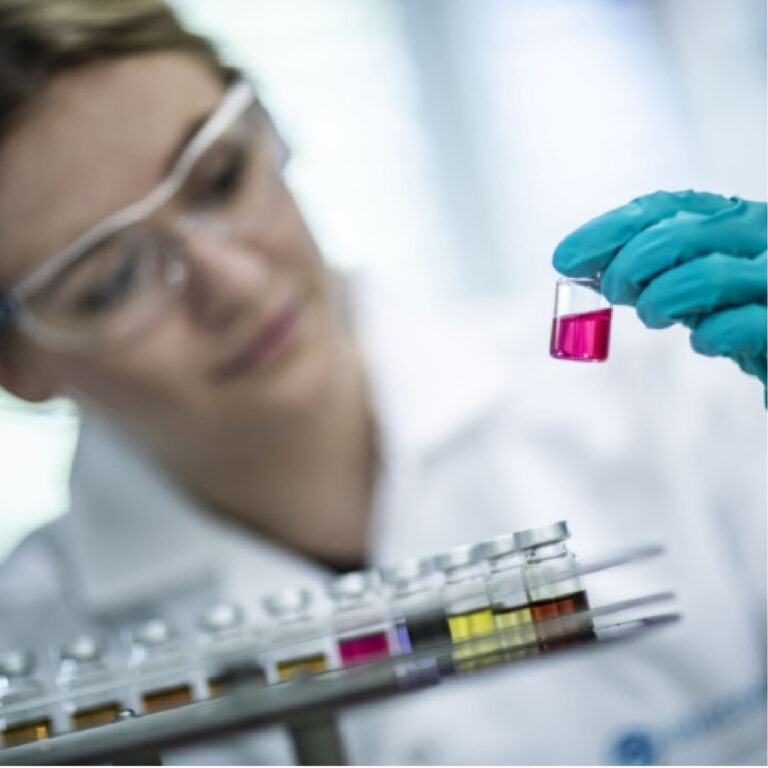
The process of analyzing water quality to determine if it meets specific safety standards. This can include testing for bacteria, heavy metals, pH levels, chlorine, nitrates, and other physical, chemical, or microbiological contaminants.
Professional laboratory testing is far more accurate than simple at-home test kits and is often necessary for both residential and commercial applications. Learn more about SANS 241 water quality standards.
Why Water Testing Is Crucial
1. Protects Your Health
Untreated or poorly treated water can carry bacteria like E. coli, viruses, or heavy metals like lead—all of which pose serious health risks. SANS Water insist water testing can identify these contaminants before they become a health hazard.
If you notice symptoms like stomach issues or skin irritation, it’s essential to book a water test immediately to identify any potential causes.
2. Ensures Compliance with Standards
For businesses, farms, and residential developments, compliance with South African water quality standards such as SANS 241 is legally required. Water testing is the only way to confirm that your water supply meets these criteria.
Need help understanding your results? Click here to generate a full water report.
3. Detects Changes in Water Quality
Even if your water was once safe, it doesn’t mean it always will be. Environmental changes, construction, pipe corrosion, or seasonal factors can all affect water quality. A routine water test will ensure early detection of any deterioration.
4. Improves Water Treatment Solutions
Once you know what’s in your water, you can take appropriate steps to treat it. Whether it’s filtration, softening, or disinfection, the right solution starts with an accurate water test.
Check out our guide on choosing the right water filtration system.
How Often Should You Test Your Water?
It depends on your location and water source. Here are some general guidelines:
- Private borehole or well water: At least once a year
- Municipal supply (if concerns exist): Every 6–12 months
- After plumbing repairs or construction: Immediately
- When there is a noticeable change in taste, smell, or color
Types of Tests Available
- Basic testing: pH, chlorine, nitrates, and hardness
- Comprehensive lab testing: Full suite according to SANS 241 standards
- Specialized testing: For heavy metals, bacteria, or industrial pollutants
We offer a range of water testing packages to suit every need.
Final Thoughts
Water testing isn’t just for emergencies—it’s a proactive step toward better health, compliance, and peace of mind. Whether you’re using municipal, borehole, or rainwater, knowing what’s in your water is the first step toward keeping your household or business safe.
Don’t wait for a problem to arise—book your professional water test today and take control of your water quality.