Category: Water Maintenance

  • The Advantages of Using Filtered Ground Water in Your Home

    The Advantages of Using Filtered Ground Water in Your Home

    The Advantages of Using Filtered Ground Water in Your Home

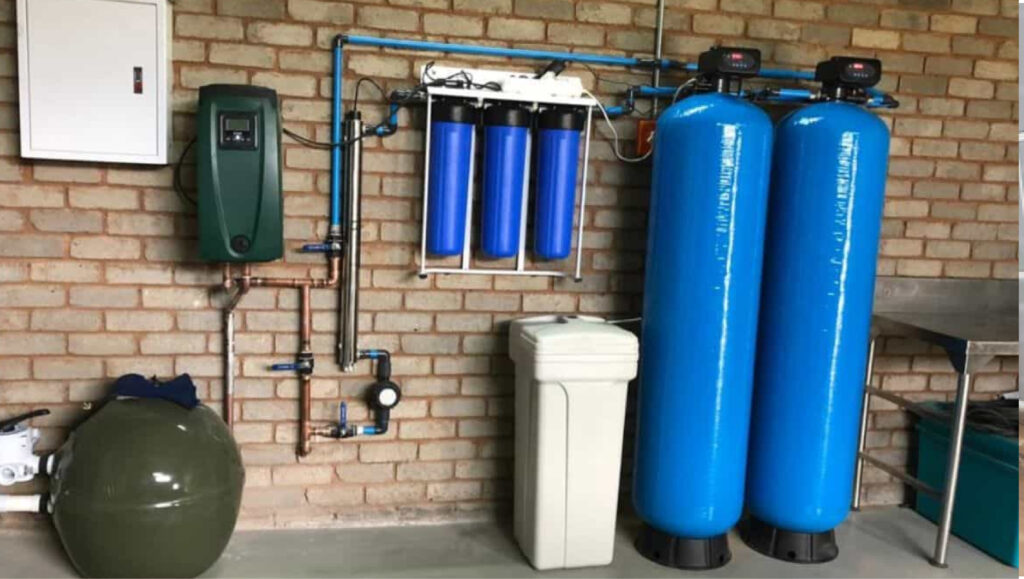
    Clean water is essential for every household. However, ground water often contains impurities that can affect your health and appliances. Filtering ground water with the right technology provides significant benefits. In this blog, we will explore the advantages of using filtered water, especially when you invest in a whole house filtration system. Moreover, we’ll look at key components like sediment filters, activated carbon block, and UV sterilisation that make a real difference.

    Why You Should Consider Filtering Ground Water

    First and foremost, ground water may contain iron, sediment, and other particles that make your water unsafe or unpleasant. Without proper filtration, these elements can clog your plumbing and reduce water quality. However, by implementing a whole house filtration system, you ensure every tap in your house delivers cleaner, safer water.

    Better Taste and Odour

    One of the most immediate benefits of filtered water is its improved taste and smell. With processes like activated carbon block filtration, unwanted chemicals and odours are removed. Accordingly, this makes your drinking and cooking water far more enjoyable.

    Health Benefits with UV Sterilisation

    Next, there’s the issue of microbial contamination. Many ground water sources contain bacteria, viruses, and other microorganisms. Incorporating UV sterilisation into your filtration solution effectively neutralises these pathogens. As a result, your family drinks water that’s not only cleaner but also safer.

    Key Components of an Effective Filtration System

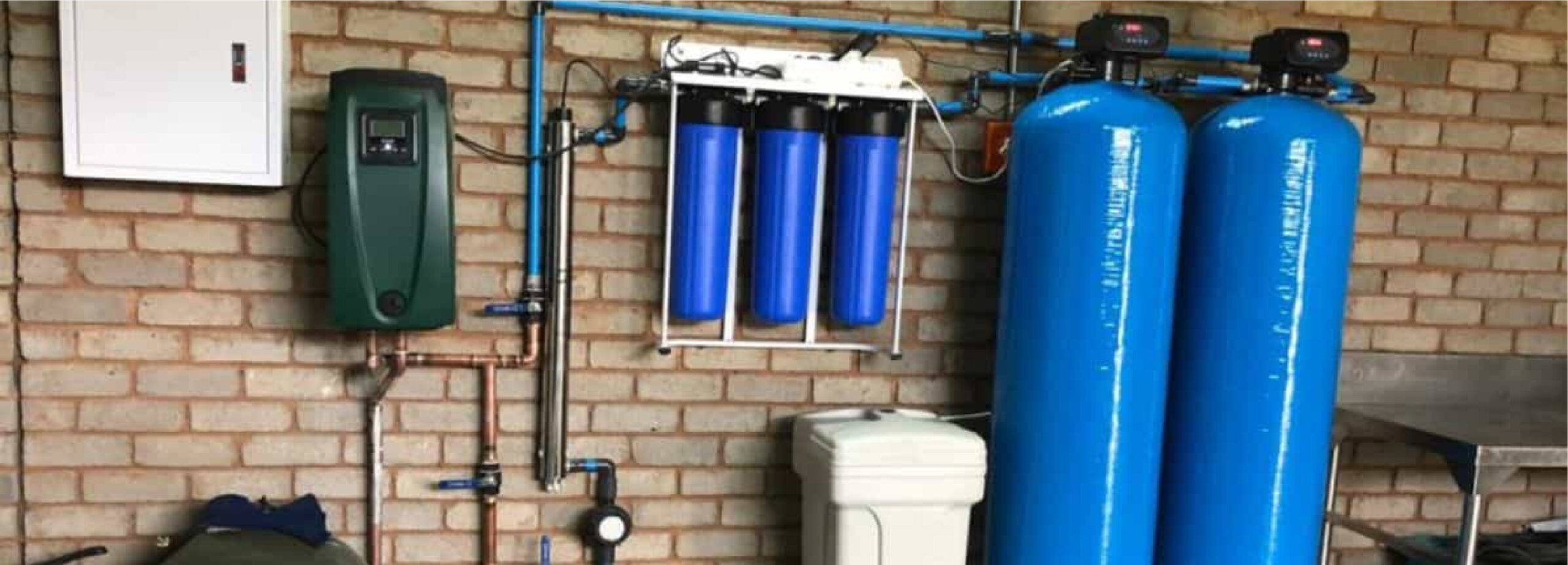
    To fully enjoy the advantages of filtered ground water, certain technologies are essential.

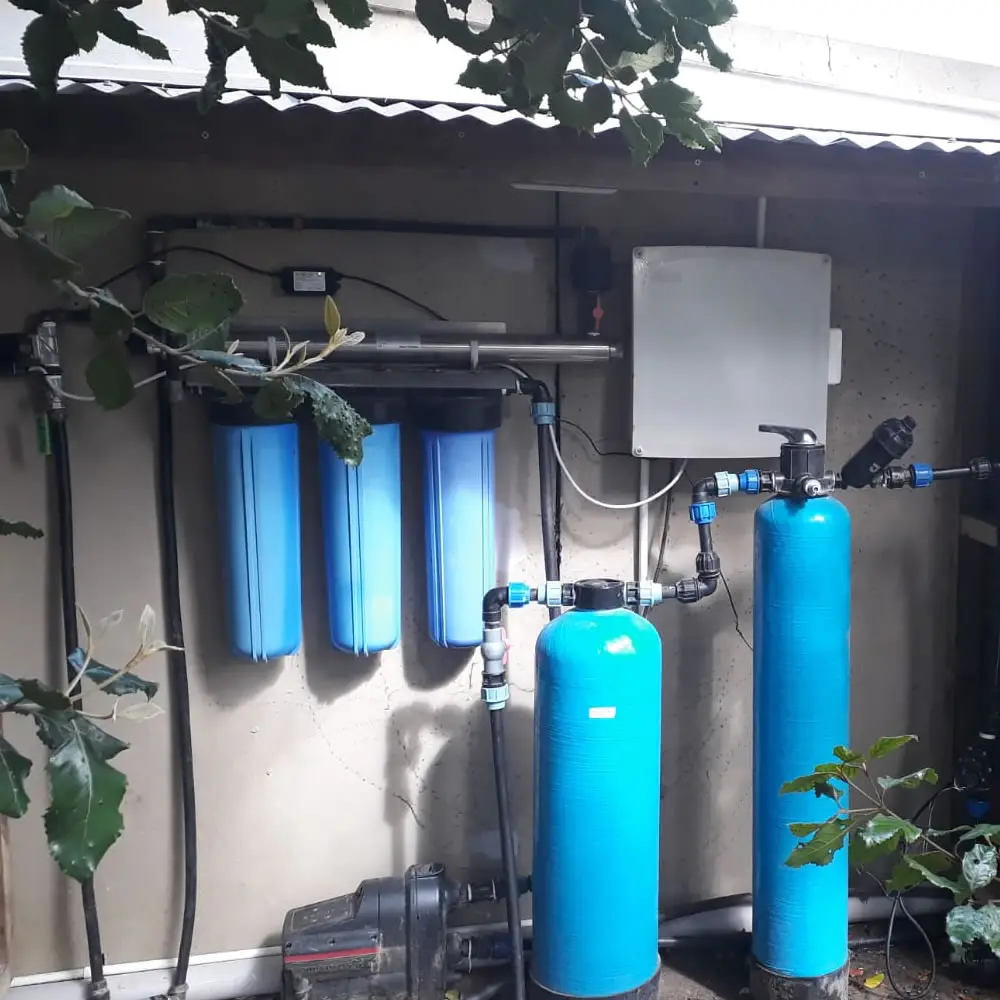
    Sediment Filters

    First, sediment filters remove large particles like rust, sand, and dirt. These filters act as the first line of defense in a whole house system. Thus, they help protect downstream components and prolong their lifespan.

    Activated Carbon Block

    Second, activated carbon block filters absorb chlorine, pesticides, and organic contaminants. Consequently, this significantly improves water taste and quality. Additionally, carbon filtration reduces stubborn odours that can linger in untreated water.

    Iron Removal

    Ground water often contains high levels of iron. Without proper treatment, iron can stain laundry and fixtures. Iron removal systems ensure that your water is aesthetically pleasing and prevents damage to appliances over time.

    Booster Pump

    Moreover, as you add layers of filtration, water pressure can decrease. That’s where a booster pump becomes invaluable. It ensures consistent water pressure throughout your home, maintaining convenience and comfort.

    Why a Whole House Filtration System Matters

    Unlike point-of-use filters, a whole house filtration system treats water at the entry point. Therefore, every outlet in your home delivers filtered water—from the kitchen to the bathroom and beyond. This comprehensive approach protects your family and your plumbing infrastructure.

    Adding such a system also reduces the need for bottled water. Consequently, you save money and reduce plastic waste, making it a responsible choice for the environment.

    Trust the Experts

    For tailored filtration solutions and professional installation, visit San’s Water Solutions. They offer expert guidance on choosing the right configuration for your home. Whether you need sediment filters, UV sterilisation, iron removal systems, or a complete whole house setup, their team has you covered.

    Learn more about advanced water solutions at San’s Water.

    Final Thoughts

    In summary, filtering ground water elevates your home’s water quality in every way. From better taste and smell to improved health and appliance protection, the advantages are clear. With technologies like sediment filters, activated carbon block, and UV sterilisation, combined with enhancements like a booster pump, you can enjoy reliable access to pure, safe water throughout your home.

  • Why & How To Cover Your Back When It Comes To Your Water Quality

    Why & How To Cover Your Back When It Comes To Your Water Quality

    Why & How To Cover Your Back When It Comes To Your Water Quality

    FACT: 90% of people that enter your business premises will at some stage come into contact with or use your water!

    …and when you have no proof of the quality of your water you run the risk of a staff member, client or visitor turning around and claiming they got sick due to the water on your premises.

    This can not only be costly if they choose to take action but also cause you down time and most certainly your reputation.

    So, how do you cover your back when it comes to water quality?

    Simple

    By getting a basic SANS 241 water test and certificate that states your water complies with the South African National Standard of water. If you have this, you have irrefutable proof that your water is 100% safe and you are safe from any claims or allegations.

    So How?

    SANS Water offers SANS 241, SANAS Accredited water testing—the gold standard for water quality analysis in South Africa. Their process is simple:

    1. They come to you – A qualified technician collects the water sample directly from your site.
    2. Samples go straight to the lab – This ensures there’s no contamination or temperature variation that could skew results.
    3. You receive a comprehensive report – The report clearly explains both the chemical and microbiological findings, along with practical advice on how to improve or maintain your water quality.

    Book your water test today with SANS Water and take the first step toward peace of mind.

    By scheduling regular water testing, you’re not only preventing these problems—you’re also demonstrating professionalism and accountability.

    Other Pitfalls of Ignoring Water Testing

    Failing to test your water regularly can open the door to a range of issues, including:

    • Health hazards – Bacteria like E. coli or high nitrate levels can pose serious risks to human health.
    • Equipment damage – Hard or corrosive water can shorten the lifespan of boilers, coffee machines, and filtration systems.
    • Compliance problems – Outdated or missing water certificates can lead to failed audits, fines, or loss of food safety certification.

    By scheduling regular water testing, you’re not only preventing these problems—you’re also demonstrating professionalism and accountability.

    Experience You Can Trust

    When it comes to something as essential as water, experience matters. Michael Hastie, owner of SANS Water, brings over 12 years of experience in water testing and quality management. He works closely with some of the biggest SANAS-accredited laboratories in South Africa, ensuring every test is reliable and compliant.


    Michael personally assists clients in interpreting test results, explaining chemical and microbiological markers, and providing tailored solutions to improve water quality. This one-on-one guidance helps businesses make informed decisions—whether they need filtration, softening, or disinfection.


  • SA Water Crisis

    SA Water Crisis

    SA Water Testing Crisis

    Water is life — but in South Africa, that life source is under serious threat. Across the country, communities, schools, and businesses are waking up to a harsh truth: many of our water sources are no longer safe to drink.

    Recent findings from citizen-led projects and the Department of Water and Sanitation have revealed widespread contamination and declining water quality. These discoveries have sparked one of the most heated debates around water testing South Africa has seen in years.

    The Shocking Reality: Unsafe Water in Our Schools

    In July 2025, the WaterCAN and WESSA Water Warrior School Water Quality Testing Project found that 43% of water samples collected from South African schools were unsafe to drink, mostly due to bacterial contamination such as E. coli.
    This alarming report has prompted national concern over how schools store and manage their water — particularly when using JoJo tanks or borehole systems.

    Read more here: IOL – 43% of school water unsafe for drinking

    Parents and teachers are now demanding regular water testing from accredited labs to ensure children’s safety. This is where SANS 241 water testing plays a critical role — providing scientifically backed benchmarks for safe, compliant water.

    To learn more about how you can test school or borehole water, visit SANS Water.

    Municipal Water Decline: When Tap Water Isn’t Trustworthy

    It’s not just schools at risk. Government data shows a steady drop in municipal water quality compliance, with over half of South Africa’s municipalities failing to meet the SANS 241 drinking water standards.
    (TimesLIVE report)

    This deterioration is largely due to aging infrastructure, neglected treatment plants, and lack of maintenance — problems that affect even urban areas once considered safe. Officials have admitted that the country is facing a “water crisis” due to these systemic issues.
    (SowetanLIVE – SA in a water crisis)

    For businesses and households alike, this means routine water testing is no longer optional. Regular SANS 241 water tests can detect contamination early and protect plumbing, health, and compliance standards.
    You can schedule a professional water test at www.sanswater.co.za.

    Citizen Science vs. Municipal Data: A Growing Trust Gap

    Interestingly, a tug-of-war has emerged between government and independent water testers. In some areas, results from citizen science projects differ sharply from official municipal data, creating confusion and mistrust.

    For example, the City of Cape Town recently disputed findings in the Project Blue Report, arguing that independent tests painted an unfairly negative picture.
    (IOL – City disputes water quality discrepancies)

    However, such debate only highlights how transparent, accredited, and consistent testing — like that performed under SANS 241 — is vital to restoring public confidence. Trusted providers such as SANS Water work directly with SANAS-accredited laboratories to ensure results meet the highest national standards.

    Why Testing Matters for Health, Education, and Rights

    Unsafe water doesn’t only cause illness. It affects school attendance, learning outcomes, and even gender equality — as girls often miss school when sanitation and hygiene are inadequate. The human rights implications are profound, and every unsafe tap is a barrier to opportunity.

    There’s growing pressure for legal accountability too. Municipalities that fail to provide safe water could face criminal charges under the Water Services Act.
    (IOL – Criminal charges laid over unsafe water)

    Taking Action: How to Protect Your Water Source

    The good news? Solutions are available. Whether your water comes from a borehole, JoJo tank, or municipal supply, regular SANS 241 water testing is your best defense against contamination.

    Start by scheduling a professional water test today through SANS Water. They offer comprehensive testing for:

    • Drinking and household water
    • Borehole and groundwater
    • Storage and tank systems
    • Effluent and discharge compliance

    Don’t wait for a crisis — act now to ensure your water meets the safety standards South Africa depends on.

    www.sanswater.co.za

    Email Mike@sanswater.co.za

  • Water Testing For Corrosive Water

    Water Testing For Corrosive Water

    Cape Town is facing a serious water quality concern that homeowners and businesses can no longer afford to ignore. We are seeing unprecedented low LSI (Langelier Saturation Index), low alkalinity, and very soft water across the city. According to Mike Hastie from SANS Water—who works directly with the leading SANAS accredited laboratories in the Western Cape—this situation is alarming and needs immediate attention.

    Why Low LSI, Alkalinity, and Soft Water Are a Problem

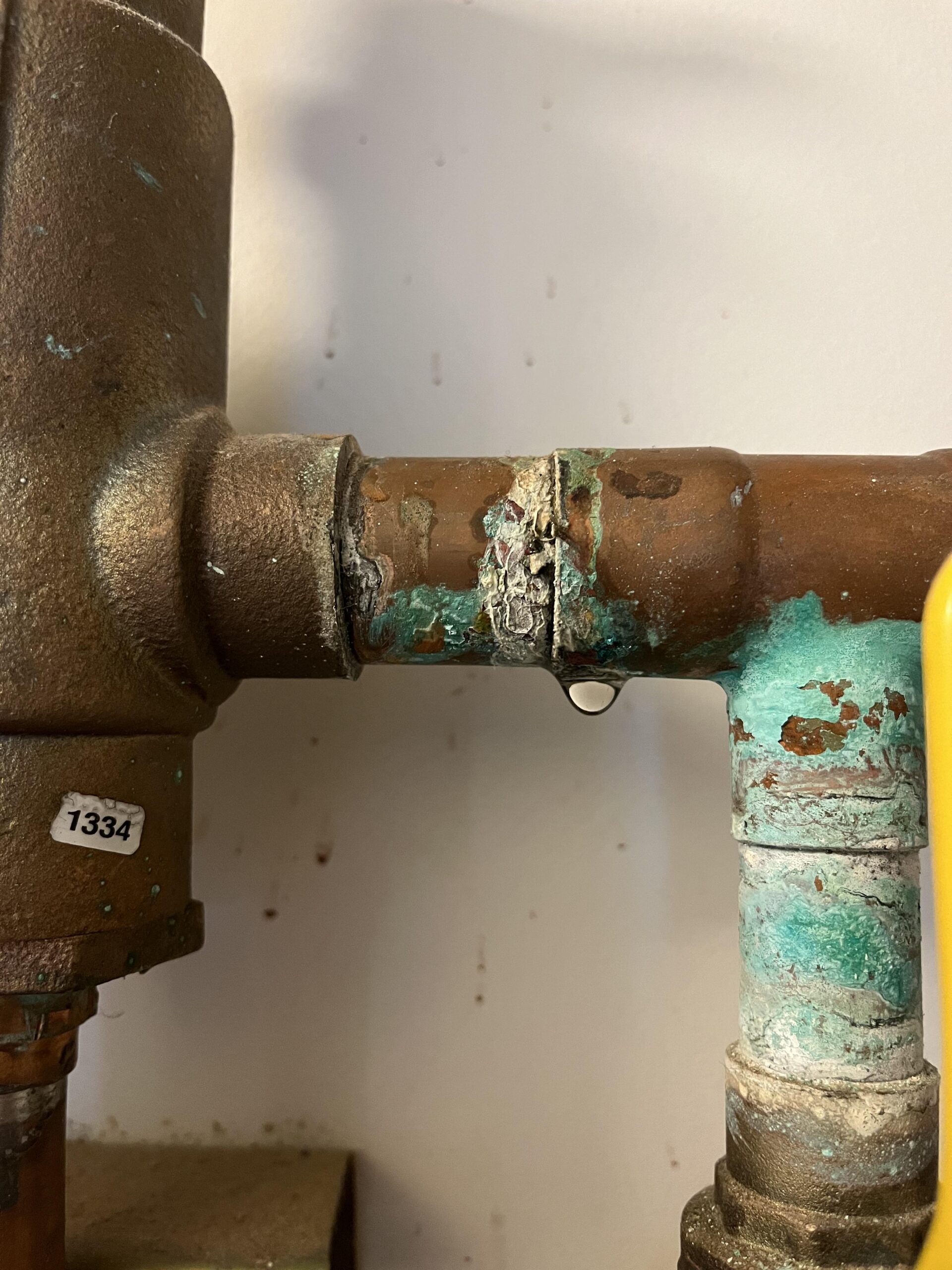
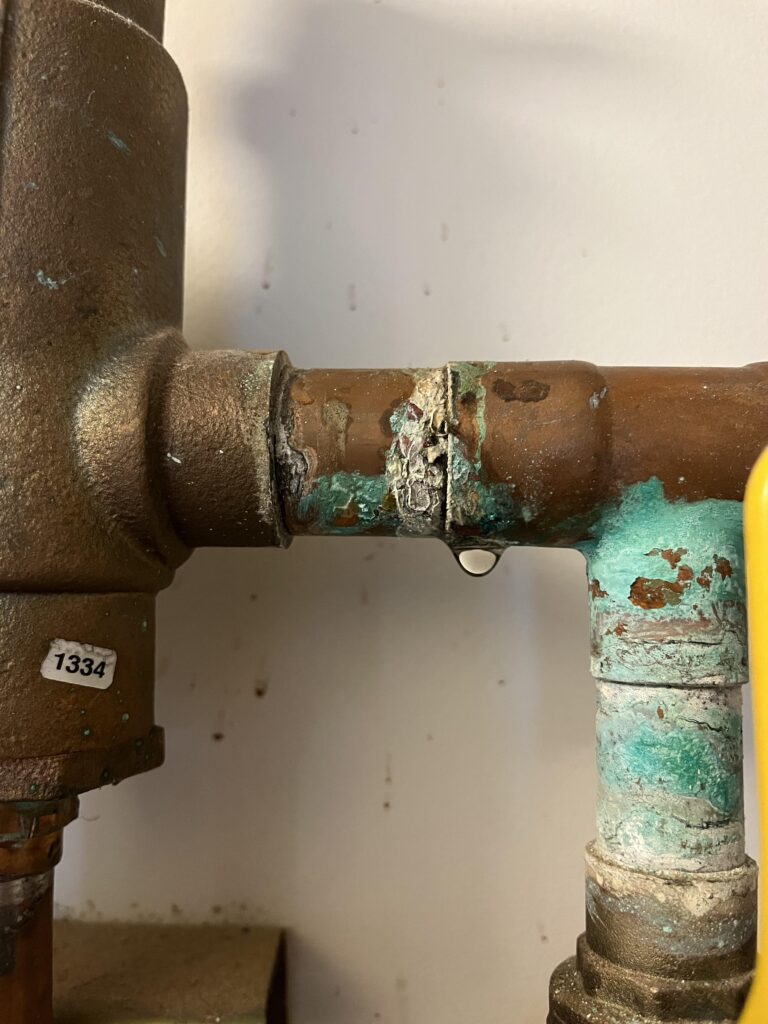
    Water that is too soft and low in alkalinity can become highly corrosive, attacking copper pipes, geysers, fittings, and appliances from the inside out. Over time, this leads to:

    • Leaks and bursts in plumbing systems
    • Damage to appliances such as dishwashers, washing machines, and geysers
    • Costly repairs and replacements for both homeowners and businesses
    • Potential health risks if metals like copper or lead leach into drinking water

    Transitioning from one problem to the next, the risks only multiply if left unchecked. That is why now, more than ever, a proper water test is absolutely essential.

    Why You Must Test with a SANAS Accredited Laboratory

    Many people think a simple, over-the-counter strip test will do the job. However, these basic kits miss critical parameters like LSI, alkalinity, and hardness. To get an accurate picture of your water quality, you need to work with a SANAS accredited laboratory.

    This ensures:

    • Reliable and certified results
    • Testing for all important parameters, not just pH
    • Professional interpretation of what the results mean for your water system

    As Mike Hastie stresses, “This is not a drill—Cape Town residents need to take action before serious damage occurs.”

    Take Action Now

    Getting a water test from a SANAS accredited laboratory is simple. Reach out to SANS Water and book your test. Mike and his team will guide you through the process, take samples correctly, and ensure your results are analyzed by the top SANAS labs in the Western Cape.

    Waiting until your pipes burst or your geyser fails will cost far more than a proactive test. Transition words aside, the bottom line is clear: prevention is cheaper than repair.

  • Why pH Isn’t Enough: The Hidden Danger Lurking in Your Water

    Why pH Isn’t Enough: The Hidden Danger Lurking in Your Water

    Why pH Isn’t Enough: The Hidden Danger Lurking in Your Water

    When it comes to water quality, most people obsess over one number: pH. It’s the go-to metric, printed on every bottle, tested in every pool, and discussed in every water treatment conversation.


    But here’s the truth—focusing only on pH is like checking your car’s fuel level and ignoring the engine oil. You might be fine for a while, but eventually, something’s going to break.


    What Is the Langalier Index?


    The Langalier Saturation Index (LSI) is a scientific formula used to predict the corrosive or scaling potential of water. It considers multiple factors—not just pH, but also alkalinity, calcium hardness, temperature, and total dissolved solids. In simple terms, it tells you whether your water will eat away at your pipes or leave behind mineral deposits.


    Negative LSI: Water is corrosive. It will slowly destroy plumbing, fittings, geysers, and appliances.


    Positive LSI: Water is scaling. It leaves mineral buildup, which can clog pipes and reduce efficiency


    Balanced LSI: Water is stable. It won’t corrode or scale—this is the sweet spot.

    Why Most People Don’t Know About It

    Despite its importance, the Langalier Index remains a mystery to most homeowners. Why? Because pH is easier to test, easier to understand, and more widely marketed. But here’s the catch: water with a “normal” pH can still be highly corrosive if alkalinity and hardness are too low.

    This oversight is especially common in areas with soft water. Soft water feels great on your skin, but it often lacks the minerals needed to protect your plumbing. Combine that with low alkalinity, and you’ve got a recipe for disaster.

    BOOK A WATER TEST


    The Real-World Impact of Ignoring LSI

    Corrosive water doesn’t just damage your pipes—it affects everything:


    Drinking water: May taste metallic or unpleasant.


    Car washing: Can leave spots, streaks, or even damage paint.


    Gardening: Plants may suffer from mineral imbalances.


    Swimming pools: Can erode pool surfaces and equipment.


    Appliances: Dishwashers, washing machines, and geysers wear out faster.


    And the worst part? The damage is irreversible. Replacing corroded plumbing and appliances can cost well over R100,000. That’s a steep price for something that could’ve been prevented.


    The Easy Fix

    Here’s the good news: preventing corrosive water damage is simple. At SANS Water, we recommend:


    Test your water properly—not just for pH, but for alkalinity, hardness, and LSI.


    Balance your water chemistry—adjust minerals to achieve a neutral Langalier Index.


    Install protective systems—like remineralizers or corrosion inhibitors if needed.


    With the right approach, you can protect your home, your health, and your wallet.


    Final Thoughts

    So next time someone asks about your water quality, don’t just say “the pH is fine.” Ask the real question: What is the Langalier Index? Because when it comes to water, balance isn’t just better—it’s essential.

    Want help testing your water or understanding your LSI score? Reach out to SANS Water. We’re here to make sure your water works for you—not against you.

  • It Is Vital To Maintain Your Filtration System

    It Is Vital To Maintain Your Filtration System

    Clean, safe water is something we often take for granted which is why, until the taste seems off or a filter light starts blinking or worse, we discover contaminants in our supply we don’t think twice about checking our Home Water Filtration System.
    Whether you rely on city mains, rain tanks, or borehole water, investing in a home water filtration system is a smart move.

    Water Filtration in Cape Town with SANS Water. We test ground water and council water with a SANAS accredited laboratory

    Maintaining your filtration system properly is what truly ensures your water stays fresh, safe, and free from harmful elements.

    The Silent Risk of a Forgotten Filter

    Most homeowners install a filtration system with the best intentions because you want to protect your family from chlorine, heavy metals, microplastics, and potential microbial risks.

    However, fast-forward six months when life gets busy, maintenance often slips to the bottom of the to-do list.

    Here’s what can happen when a system goes neglected:

    • Filters become clogged and reduce water pressure.
    • Bacteria can grow in dirty filters.
    • Contaminants slip through, defeating the purpose of filtration.
    • The system may break down prematurely, leading to costly repairs or replacements.

    It’s not just about keeping things running but also about protecting your health and your investment.

    Tailored Solutions Start with Proper Testing

    Before diving into the right maintenance schedule, it’s important to understand what your system is up against. This starts with comprehensive water testing.

    A lab-grade water analysis can detect:

    • Chemical content (like chlorine, nitrates, and pesticides)
    • Microbial contamination (such as E. coli or coliforms)
    • Mineral buildup (like iron, calcium, and magnesium)

    Each of these can affect what type of filtration system you need and how often you need to service it.

    For example:

    • High sediment levels may clog filters faster.
    • Elevated chlorine might mean more frequent carbon filter changes.
    • Mineral-rich water may call for water softening systems with regular salt refills.

    SANS Water provides in-depth water testing, giving you a clear picture of your unique water profile. That knowledge is the first step to building an effective, sustainable filtration plan.

    A Smarter Way to Keep Your System Performing

    Knowing the right time to service your system isn’t always straightforward. Filter lifespan varies based on water usage and quality. That’s why so many systems end up neglected—homeowners either forget or aren’t sure when maintenance is due.

    To make things easier, we recommend a quarterly system check. This simple service ensures:

    • Filters are replaced on time
    • Water pressure is tested
    • The system is cleaned and sanitized
    • Potential issues are spotted early

    This approach takes the guesswork out of maintenance and reduces the chance of costly breakdowns or water quality issues.

    Who Benefits Most from Regular Maintenance?

    If you fall into any of these categories, consistent upkeep is especially important:

    Homeowners You want peace of mind that your drinking water is clean and safe. Regular checks ensure your system works as intended.

    Rural & Regional Property Owners If you use tank, bore, or well water, you’re dealing with naturally variable conditions. Dirt, algae, and bacteria are common. Regular maintenance and water testing keep these in check.

    Health-Conscious Individuals If you care about reducing chemical exposure or avoiding microplastics, your filter is doing a big job. But it only works when maintained properly.

    Businesses in Hospitality, Healthcare, and Food Production Your water quality affects customer health and brand reputation. Consistent system performance is non-negotiable. Scheduled servicing keeps you compliant and confident.

    Builders & Plumbers Offering ongoing servicing or connecting clients with maintenance plans adds value to your installations and ensures longevity for the systems you provide.

    How to Make Maintenance Affordable and Hassle-Free

    One of the biggest reasons for poor maintenance? Cost and convenience. Some filters are pricey, and service schedules can feel like a chore.

    That’s where a managed plan makes all the difference. With SANS Water, our quarterly system check is designed to:

    • Keep costs reasonable with predictable pricing
    • Include all parts, filters, and labour
    • Offer friendly, local support
    • Provide reminders so you never forget a check-up

    It’s maintenance without the headache, and without the risk of overlooking something important.

    What a Quarterly Check Looks Like

    You might be wondering what happens during these checks. Here’s a typical service visit:

    1. Visual inspection of the system and components
    2. Test incoming and filtered water for pressure and flow
    3. Filter replacement (based on need and schedule)
    4. Cleaning of housings and sanitization
    5. Optional water sampling for lab testing

    By the end of the visit, you’ll have full confidence your water is safe and your system is running optimally.

    Conclusion: Stay Protected, Stay Informed

    A home water filtration system is a powerful tool for safeguarding your health and improving your water quality. But without regular maintenance, even the best system can fail you. A quarterly check-up takes the stress out of staying on top of things, ensuring your investment keeps delivering clean, safe water.

    Whether you’re a homeowner, business, or rural property owner, ongoing support can save time, money, and worry. Want to learn more about what type of system or maintenance plan fits your needs? Explore our water testing services and filtration options to start your journey toward better water today.