
Blog

  • SANS 241 Water Testing

    Safe water is not something to take for granted. In South Africa, many households and businesses assume that a simple water test is enough. Unfortunately, basic testing often misses crucial parameters that affect health, safety, and infrastructure. To ensure true peace of mind, it’s essential to follow the SANS 241 water testing standard.

    If you’re searching for water testing near me or water testing in South Africa, understanding SANS 241 could save you from costly mistakes and health risks.

    What is SANS 241?

    SANS 241 is the official South African National Standard for drinking water quality. It sets strict guidelines for what makes water safe to drink. These standards go beyond basic indicators like pH or hardness — they test for a wide range of physical, chemical, and microbiological parameters.

    Some of the key aspects covered by SANS 241 water tests include:

    • Microbiological safety (E. coli, total coliforms, harmful bacteria)
    • Heavy metals (lead, arsenic, mercury, cadmium)
    • Chemical contaminants (nitrates, fluoride, chlorine by-products)
    • Water balance (hardness, alkalinity, corrosivity, scaling)
    • Aesthetic qualities (taste, smell, clarity)

    By covering these areas, SANS 241 ensures water is safe for human use, whether it’s at home, in schools, in offices, or in industrial environments.

    Why a Simple Water Test Isn’t Enough

    Many DIY kits or quick tests only measure a handful of indicators. For example, they might tell you your pH or hardness, but they won’t show if bacteria, nitrates, or heavy metals are present.

    This creates a false sense of security. Water may appear clean but still be unsafe. For instance:

    • Clear water can still contain dangerous bacteria.
    • Low hardness and alkalinity can make water corrosive, damaging pipes, geysers, and appliances.
    • Nitrates and heavy metals are invisible yet harmful, especially to children.

    That’s why proper SANS 241 water testing is critical — it gives you the full picture.

    Local Water Testing Made Simple

    Getting your water tested in South Africa doesn’t have to be difficult. With SANS Water, the process is simple and professional:

    1. Book your water test with Mike Hastie – Easily arrange a visit online or by phone.
    2. On-site sampling – Mike personally collects the sample to ensure accuracy.
    3. Laboratory analysis – Your water is tested in an accredited laboratory according to SANS 241.
    4. Comprehensive results – You receive a detailed report with findings and clear solutions.

    Whether you’re a household, a business, or a property developer, this service ensures compliance with SANS 241 water testing standards and gives you actionable steps if problems are found.

    Why South Africans Need to Test Their Water

    Water quality can vary greatly across South Africa. Borehole water, municipal supply, and rural sources all carry unique risks.

    • Households – Protect family health, prevent appliance damage, and improve drinking water taste.
    • Businesses – Safeguard employee wellbeing, remain compliant with regulations, and avoid reputational damage.
    • Property managers – Ensure reliable water quality for tenants and reduce long-term maintenance costs.

    For anyone searching for water testing near me, choosing a service that follows SANS 241 ensures you’re testing to the highest national standard.

    Book a Water Test Today

    Water is too important to risk on incomplete testing. Instead of relying on a simple water test, protect your health, family, or business by booking a full SANS 241 water test.

    Get in touch with SANS Water today and speak to Mike Hastie @ mike@sanswater.co.za or call/ whatsapp on 0844004300  who will personally handle the process from sample collection to final report.

    For more on national standards, visit the South African Bureau of Standards.

  • Why pH Isn’t Enough: The Hidden Danger Lurking in Your Water

    Why pH Isn’t Enough: The Hidden Danger Lurking in Your Water

    Why pH Isn’t Enough: The Hidden Danger Lurking in Your Water

    When it comes to water quality, most people obsess over one number: pH. It’s the go-to metric, printed on every bottle, tested in every pool, and discussed in every water treatment conversation.


    But here’s the truth—focusing only on pH is like checking your car’s fuel level and ignoring the engine oil. You might be fine for a while, but eventually, something’s going to break.


    What Is the Langalier Index?


    The Langalier Saturation Index (LSI) is a scientific formula used to predict the corrosive or scaling potential of water. It considers multiple factors—not just pH, but also alkalinity, calcium hardness, temperature, and total dissolved solids. In simple terms, it tells you whether your water will eat away at your pipes or leave behind mineral deposits.


    Negative LSI: Water is corrosive. It will slowly destroy plumbing, fittings, geysers, and appliances.


    Positive LSI: Water is scaling. It leaves mineral buildup, which can clog pipes and reduce efficiency


    Balanced LSI: Water is stable. It won’t corrode or scale—this is the sweet spot.

    Why Most People Don’t Know About It

    Despite its importance, the Langalier Index remains a mystery to most homeowners. Why? Because pH is easier to test, easier to understand, and more widely marketed. But here’s the catch: water with a “normal” pH can still be highly corrosive if alkalinity and hardness are too low.

    This oversight is especially common in areas with soft water. Soft water feels great on your skin, but it often lacks the minerals needed to protect your plumbing. Combine that with low alkalinity, and you’ve got a recipe for disaster.

    BOOK A WATER TEST


    The Real-World Impact of Ignoring LSI

    Corrosive water doesn’t just damage your pipes—it affects everything:


    Drinking water: May taste metallic or unpleasant.


    Car washing: Can leave spots, streaks, or even damage paint.


    Gardening: Plants may suffer from mineral imbalances.


    Swimming pools: Can erode pool surfaces and equipment.


    Appliances: Dishwashers, washing machines, and geysers wear out faster.


    And the worst part? The damage is irreversible. Replacing corroded plumbing and appliances can cost well over R100,000. That’s a steep price for something that could’ve been prevented.


    The Easy Fix

    Here’s the good news: preventing corrosive water damage is simple. At SANS Water, we recommend:


    Test your water properly—not just for pH, but for alkalinity, hardness, and LSI.


    Balance your water chemistry—adjust minerals to achieve a neutral Langalier Index.


    Install protective systems—like remineralizers or corrosion inhibitors if needed.


    With the right approach, you can protect your home, your health, and your wallet.


    Final Thoughts

    So next time someone asks about your water quality, don’t just say “the pH is fine.” Ask the real question: What is the Langalier Index? Because when it comes to water, balance isn’t just better—it’s essential.

    Want help testing your water or understanding your LSI score? Reach out to SANS Water. We’re here to make sure your water works for you—not against you.

  • Why You Need To Test Your Council Water

    Why You Need To Test Council Water

    Access to clean and safe drinking water is essential for our health. In many communities, council water sources may contain impurities, including chlorinechloride, and heavy metals. Understanding these contaminants and the importance of water testing and filtration can help ensure your family’s safety.

    Water Testing in Cape Town with SANS Water. We test ground water and council water with a SANAS accredited laboratory

    Understanding Chlorine and Chloride in Council Water

    Chlorine is commonly used in water treatment plants as a disinfectant. Its primary purpose is to eliminate harmful bacteria and viruses, ensuring that the water is safe for consumption. However, while chlorine effectively kills pathogens, it can lead to some undesirable effects in the water supply.

    Chloride, on the other hand, is a natural component found in many water sources. While it is typically harmless in small amounts, excessive chloride levels can compromise the taste of water and may indicate other underlying issues in water quality.

    The Presence of Metals in Water

    In addition to chlorine and chloride, many council water supplies might also contain heavy metals such as lead, arsenic, and mercury. These metals can seep into water supplies from aging infrastructure, industrial discharges, or natural deposits. Consumption of water with high metal concentrations can lead to serious health issues, including neurological damage and developmental problems in children.

    Why Water Testing Is Crucial

    Testing your water is essential for several reasons:

    1. Health Safety: Regular testing can help identify contaminants that are harmful to health. Knowing what’s in your water allows you to take appropriate action.
    2. Regulatory Compliance: Council water systems must adhere to specific regulations. Testing ensures that these systems meet safety standards.
    3. Peace of Mind: Understanding the quality of your drinking water can alleviate health concerns and improve your overall quality of life.

    The Role of Water Filters

    Using water filters can significantly reduce the presence of chlorine, chloride, and heavy metals in your drinking water. Here’s why:

    • Enhanced Safety: Filters remove or reduce contaminants, ensuring healthier drinking water.
    • Improved Taste: By filtering out chlorine and other impurities, the taste of the water improves, making it more palatable.
    • Cost-Effectiveness: Though purchasing a water filter requires an initial investment, it can save you money in the long run by reducing the need for bottled water.

    Conclusion

    In conclusion, testing council water for chlorine, chloride, and metals is vital for maintaining public health. The presence of these contaminants may pose health risks, making water testing and filtration essential for safer drinking water. With the right steps, you can ensure that your family enjoys clean, safe, and pleasant-tasting water at home.

  • Businesses Need To Test Their Water

    Businesses Have To Test Their Water

    Water is an essential resource for any business, yet many companies overlook the importance of ensuring their water is safe and clean. For businesses in South Africa, the responsibility to provide clean water is not only a matter of corporate social responsibility but also a legal requirement. Specifically, regulations under OHSA (Occupational Health and Safety Act), COIDA (Compensation for Occupational Injuries and Diseases Act), and other governing bodies enforce standards to protect the rights of staff, clients, and visitors. Therefore, it is crucial for businesses to prioritize regular water testing to comply with these regulations and safeguard everyone’s health.

    Businesses are responsible for making sure their staff have safe, clean, good quality water.

    Firstly, clean water is fundamental to maintaining a safe and healthy working environment. Employees rely on safe water for drinking, sanitation, and hygiene. Without regular water testing, businesses risk exposing their staff to harmful contaminants that could cause illness or injury. This, in turn, affects productivity, increases absenteeism, and could lead to costly legal issues.

    Moreover, clients and visitors also expect access to clean water. Businesses that fail to meet water quality standards risk damaging their reputation and losing customer trust. Therefore, clean water is not just a health issue but a critical factor in business continuity and success.

    Legal Frameworks Enforcing Water Quality in South African Businesses

    Under the Occupational Health and Safety Act (OHSA), businesses must provide a safe working environment, which explicitly includes access to safe drinking water. OHSA requires employers to identify and mitigate any health risks that may arise in the workplace, making water testing an essential part of compliance.

    Similarly, the Compensation for Occupational Injuries and Diseases Act (COIDA) provides compensation to workers who suffer from work-related injuries or diseases. If unsafe water causes illness, COIDA can hold businesses liable for compensation claims. Thus, regular water quality assessments help businesses avoid such liabilities.

    In addition to OHSA and COIDA, other governing bodies like the Department of Water and Sanitation (DWS) and the South African National Standards (SANS 241) set specific water quality standards that businesses must meet. These standards ensure that the water supplied within commercial premises is safe for consumption and use.

    How Water Testing Helps Businesses Stay Compliant and Protect Health

    Regular water testing enables businesses to identify contamination issues before they become serious problems. By analyzing parameters such as bacteria, heavy metals, pH, and chemical pollutants, companies can take timely corrective action to improve water quality.

    Furthermore, documented water testing reports provide businesses with evidence of compliance when inspected by authorities. This not only demonstrates a commitment to health and safety but also protects businesses from potential fines or shutdowns.

    Conclusion

    In conclusion, businesses in South Africa must prioritize water testing to ensure they meet the requirements set by OHSA, COIDA, and other regulatory bodies. By doing so, businesses safeguard the health of their employees, clients, and visitors while avoiding legal and financial repercussions. Ultimately, clean water is a non-negotiable resource that every responsible business should provide. Book your water test now at www.sanswater.co.za


  • Why Water Testing Is So Important

    Why Is Water Testing So Important

    Clean, safe water is something many of us take for granted. However, ensuring that your water is free from harmful contaminants is more critical than ever. SANS Water say Water testing plays a vital role in protecting your health, prolonging the life of appliances, and ensuring compliance with legal and industry standards. In this blog post, we’ll explore the reasons it is so important—and how often it should be done.

     What Is Water Testing?

    The process of analyzing water quality to determine if it meets specific safety standards. This can include testing for bacteria, heavy metals, pH levels, chlorine, nitrates, and other physical, chemical, or microbiological contaminants.

    Professional laboratory testing is far more accurate than simple at-home test kits and is often necessary for both residential and commercial applications. Learn more about SANS 241 water quality standards.

    Water Testing in Cape Town with SANS Water. We test ground water and council water with a SANAS accredited laboratory

    Why Water Testing Is Crucial

    1. Protects Your Health

    Untreated or poorly treated water can carry bacteria like E. coli, viruses, or heavy metals like lead—all of which pose serious health risks. SANS Water insist water testing can identify these contaminants before they become a health hazard.

    If you notice symptoms like stomach issues or skin irritation, it’s essential to book a water test immediately to identify any potential causes.

    2. Ensures Compliance with Standards

    For businesses, farms, and residential developments, compliance with South African water quality standards such as SANS 241 is legally required. Water testing is the only way to confirm that your water supply meets these criteria.

    Need help understanding your results? Click here to generate a full water report.

    3. Detects Changes in Water Quality

    Even if your water was once safe, it doesn’t mean it always will be. Environmental changes, construction, pipe corrosion, or seasonal factors can all affect water quality. A routine water test will ensure early detection of any deterioration.

    4. Improves Water Treatment Solutions

    Once you know what’s in your water, you can take appropriate steps to treat it. Whether it’s filtration, softening, or disinfection, the right solution starts with an accurate water test.

    Check out our guide on choosing the right water filtration system.

    How Often Should You Test Your Water?

    It depends on your location and water source. Here are some general guidelines:

    • Private borehole or well water: At least once a year
    • Municipal supply (if concerns exist): Every 6–12 months
    • After plumbing repairs or construction: Immediately
    • When there is a noticeable change in taste, smell, or color

    Types of  Tests Available

    • Basic testing: pH, chlorine, nitrates, and hardness
    • Comprehensive lab testing: Full suite according to SANS 241 standards
    • Specialized testing: For heavy metals, bacteria, or industrial pollutants

    We offer a range of water testing packages to suit every need.

    Final Thoughts

    Water testing isn’t just for emergencies—it’s a proactive step toward better health, compliance, and peace of mind. Whether you’re using municipal, borehole, or rainwater, knowing what’s in your water is the first step toward keeping your household or business safe.

    Don’t wait for a problem to arise—book your professional water test today and take control of your water quality.


  • Businesses Need A Water Audit

    Why A Water Audit Is A Good Idea

    Water Audit in Cape Town with SANS Water. We test ground water and council water with a SANAS accredited laboratory

    In today’s competitive and environmentally conscious marketplace, resource management is no longer just a good practice—it’s a necessity. To better understand this, Mike Hastie from www.sanswater.co.za explains why a water audit is so important. In fact, one of the most overlooked yet impactful ways businesses can improve efficiency, reduce costs, and enhance sustainability is through a water audit. Regardless of whether you’re in manufacturing, agriculture, hospitality, or even office-based operations, a water audit can uncover hidden inefficiencies, thereby preventing costly damage and ultimately helping your business future-proof its operations.

    What Is a Water Audit?

    It is a comprehensive assessment of how water is sourced, used, and discharged within a business because it meticulously tracks every drop from its point of entry to its point of exit. Through this process, a water audit identifies where water is being wasted, where leaks or inefficiencies may exist, and how usage patterns can be improved.

    Why Is a Water Audit Necessary?

    1. Cost Savings

    Water bills can be a silent expense, especially if your business is unknowingly paying for leaks, inefficient fixtures, or outdated processes. Fortunately, a water audit identifies these problems and offers actionable solutions that often lead to immediate cost reductions. In fact, savings from reduced water usage often pay for the audit itself in just a few months.

    1. Leak Detection and Damage Prevention

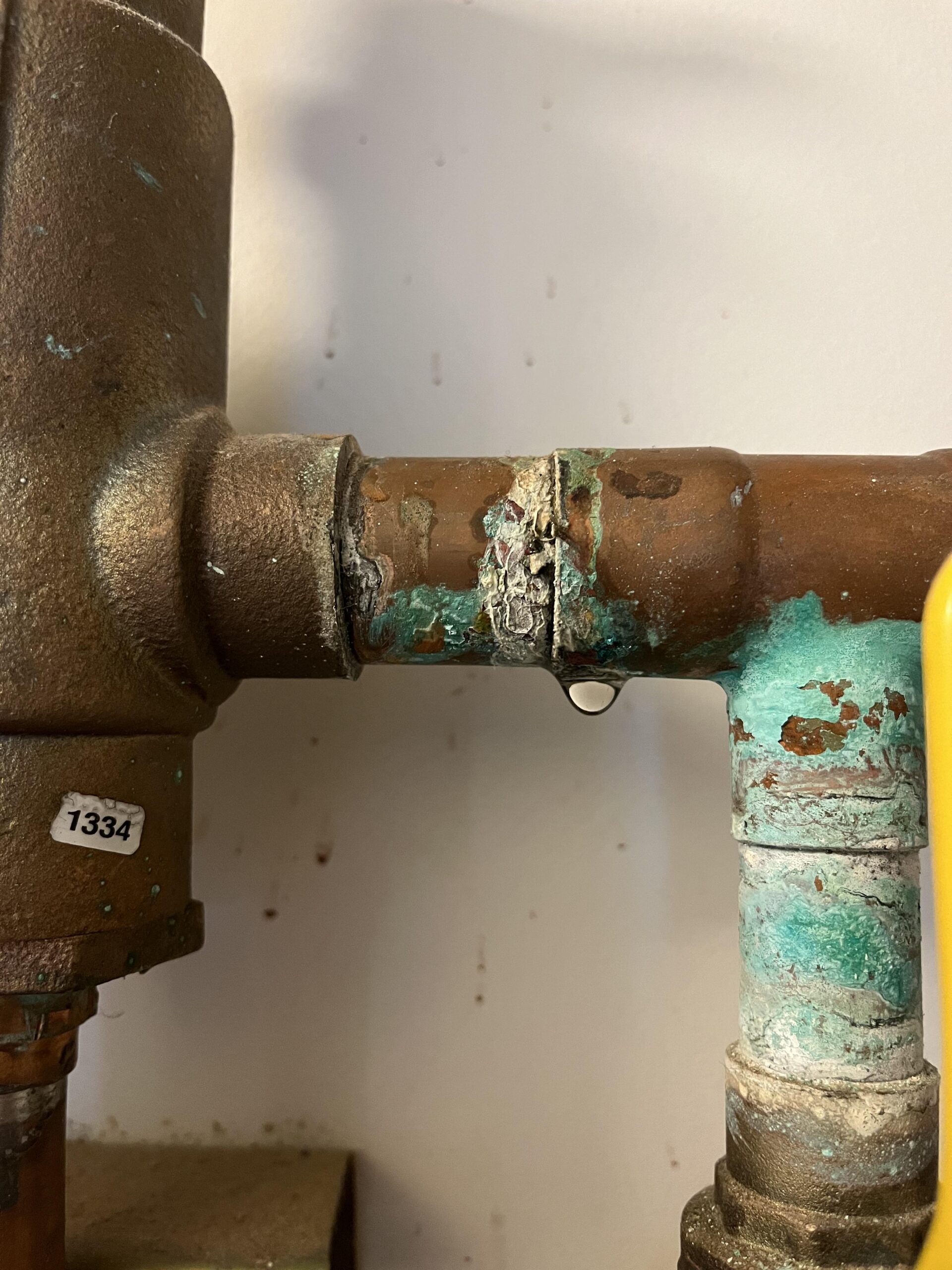
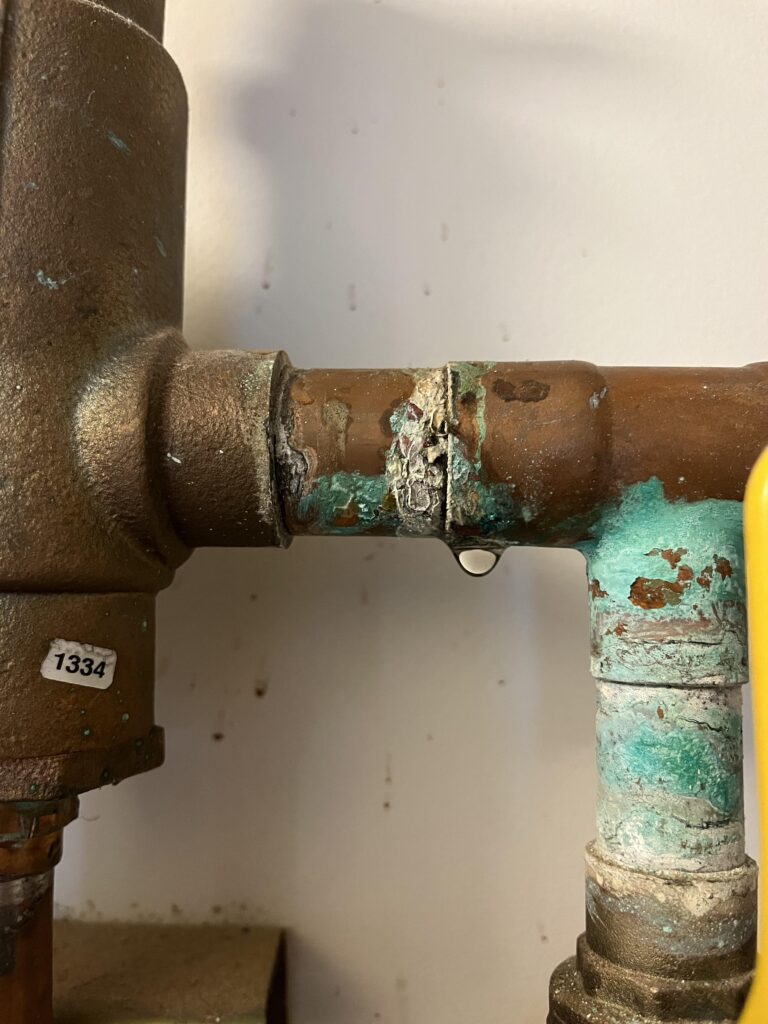
    Small leaks can lead to significant structural damage over time, resulting in expensive repairs, downtime, or even legal liability. Therefore, a water audit helps detect these issues early, preventing potentially catastrophic losses. Water damage from leaks is costly – see the damage.

    1. Regulatory Compliance

    Governments and municipalities are increasingly tightening regulations around water usage, waste discharge, and sustainability. As such, a water audit ensures your business complies with current laws and is prepared for future changes, thereby avoiding fines and reputational risks.

    1. Environmental Responsibility

    Corporate sustainability is no longer optional. Customers, partners, and investors are all demanding greener practices. By conducting a water audit, your business demonstrates environmental responsibility, enhances its brand reputation, and contributes to broader water conservation efforts.

    1. Operational Efficiency

    Businesses can redesign their processes to use water more effectively. Whether it’s through installing more efficient fixtures, reusing greywater, or updating cooling systems, these improvements can significantly increase operational performance.

    Industries That Benefit the Most from a Water Audit

    • Food and Beverage: Hygiene and process-related water use can be optimized for quality and cost.

    • Agriculture: Precision irrigation and runoff control lead to better yields and lower water bills.

    • Manufacturing: Cooling, cleaning, and processing all involve heavy water usage with room for efficiency.

    • Hospitality and Leisure: Hotels, gyms, and spas use large volumes of water daily and can benefit immensely from savings and sustainability upgrades.

    • Commercial Properties: Office parks and malls often suffer from unnoticed leaks and inefficient bathroom or landscaping systems.

    What’s Involved

    A professional water audit typically includes:

    • Review of water bills and usage history

    • On-site inspection of all water systems

    • Leak detection

    • Flow rate testing and meter verification

    • Recommendations for upgrades, retrofits, or behavioural changes

    • A detailed report outlining short-term and long-term improvements

    Take Action Today

    Water scarcity is a growing global issue, and businesses have both a responsibility and a financial incentive to use water wisely. Ultimately, a water audit is not just a box-ticking exercise—it’s a strategic investment in the future of your business. Therefore, don’t wait for a spike in your water bill or a regulatory notice to act.

    Book a professional water audit today with www.sanswater.co.za and take control of your water usage, your costs, and your sustainability journey.

  • It Is Vital To Maintain Your Filtration System

    It Is Vital To Maintain Your Filtration System

    Clean, safe water is something we often take for granted which is why, until the taste seems off or a filter light starts blinking or worse, we discover contaminants in our supply we don’t think twice about checking our Home Water Filtration System.
    Whether you rely on city mains, rain tanks, or borehole water, investing in a home water filtration system is a smart move.

    Water Filtration in Cape Town with SANS Water. We test ground water and council water with a SANAS accredited laboratory

    Maintaining your filtration system properly is what truly ensures your water stays fresh, safe, and free from harmful elements.

    The Silent Risk of a Forgotten Filter

    Most homeowners install a filtration system with the best intentions because you want to protect your family from chlorine, heavy metals, microplastics, and potential microbial risks.

    However, fast-forward six months when life gets busy, maintenance often slips to the bottom of the to-do list.

    Here’s what can happen when a system goes neglected:

    • Filters become clogged and reduce water pressure.
    • Bacteria can grow in dirty filters.
    • Contaminants slip through, defeating the purpose of filtration.
    • The system may break down prematurely, leading to costly repairs or replacements.

    It’s not just about keeping things running but also about protecting your health and your investment.

    Tailored Solutions Start with Proper Testing

    Before diving into the right maintenance schedule, it’s important to understand what your system is up against. This starts with comprehensive water testing.

    A lab-grade water analysis can detect:

    • Chemical content (like chlorine, nitrates, and pesticides)
    • Microbial contamination (such as E. coli or coliforms)
    • Mineral buildup (like iron, calcium, and magnesium)

    Each of these can affect what type of filtration system you need and how often you need to service it.

    For example:

    • High sediment levels may clog filters faster.
    • Elevated chlorine might mean more frequent carbon filter changes.
    • Mineral-rich water may call for water softening systems with regular salt refills.

    SANS Water provides in-depth water testing, giving you a clear picture of your unique water profile. That knowledge is the first step to building an effective, sustainable filtration plan.

    A Smarter Way to Keep Your System Performing

    Knowing the right time to service your system isn’t always straightforward. Filter lifespan varies based on water usage and quality. That’s why so many systems end up neglected—homeowners either forget or aren’t sure when maintenance is due.

    To make things easier, we recommend a quarterly system check. This simple service ensures:

    • Filters are replaced on time
    • Water pressure is tested
    • The system is cleaned and sanitized
    • Potential issues are spotted early

    This approach takes the guesswork out of maintenance and reduces the chance of costly breakdowns or water quality issues.

    Who Benefits Most from Regular Maintenance?

    If you fall into any of these categories, consistent upkeep is especially important:

    Homeowners You want peace of mind that your drinking water is clean and safe. Regular checks ensure your system works as intended.

    Rural & Regional Property Owners If you use tank, bore, or well water, you’re dealing with naturally variable conditions. Dirt, algae, and bacteria are common. Regular maintenance and water testing keep these in check.

    Health-Conscious Individuals If you care about reducing chemical exposure or avoiding microplastics, your filter is doing a big job. But it only works when maintained properly.

    Businesses in Hospitality, Healthcare, and Food Production Your water quality affects customer health and brand reputation. Consistent system performance is non-negotiable. Scheduled servicing keeps you compliant and confident.

    Builders & Plumbers Offering ongoing servicing or connecting clients with maintenance plans adds value to your installations and ensures longevity for the systems you provide.

    How to Make Maintenance Affordable and Hassle-Free

    One of the biggest reasons for poor maintenance? Cost and convenience. Some filters are pricey, and service schedules can feel like a chore.

    That’s where a managed plan makes all the difference. With SANS Water, our quarterly system check is designed to:

    • Keep costs reasonable with predictable pricing
    • Include all parts, filters, and labour
    • Offer friendly, local support
    • Provide reminders so you never forget a check-up

    It’s maintenance without the headache, and without the risk of overlooking something important.

    What a Quarterly Check Looks Like

    You might be wondering what happens during these checks. Here’s a typical service visit:

    1. Visual inspection of the system and components
    2. Test incoming and filtered water for pressure and flow
    3. Filter replacement (based on need and schedule)
    4. Cleaning of housings and sanitization
    5. Optional water sampling for lab testing

    By the end of the visit, you’ll have full confidence your water is safe and your system is running optimally.

    Conclusion: Stay Protected, Stay Informed

    A home water filtration system is a powerful tool for safeguarding your health and improving your water quality. But without regular maintenance, even the best system can fail you. A quarterly check-up takes the stress out of staying on top of things, ensuring your investment keeps delivering clean, safe water.

    Whether you’re a homeowner, business, or rural property owner, ongoing support can save time, money, and worry. Want to learn more about what type of system or maintenance plan fits your needs? Explore our water testing services and filtration options to start your journey toward better water today.


  • Keep Your Families Water Safe

    Keep Your Families Water Safe

    Wondering "How can I test my own water?" Discover the easiest way to test water with a SANS Water DIY water testing kit. Order a water testing kit today for SANAS-accredited SANS 241 results, with easy home delivery and collection!

    Why Water Testing Is Critical for Families Using Filtration Systems


    Every parent wants to keep their family safe—but what if the greatest threat is coming straight from your tap? Whether you’re drinking from a filtered tap or filling up reusable bottles from a sleek home water dispenser, the assumption is always the same: your water is clean. But is it?

    Contaminants in tap, ground, or stored water don’t always announce themselves with a strange color or odour. Heavy metals, bacteria, pesticides, or chemical residues can quietly compromise your family’s health without any obvious signs. This is especially true in homes that rely on filtration systems or water storage tanks, where routine maintenance can be overlooked, and risks multiply over time.

    That’s where water testing becomes not just a smart choice—but an urgent one.

    Understanding exactly what’s in your water is the only way to know if your filtration system is doing its job or if you’re unknowingly exposing your loved ones to health hazards. In this article, we’ll explain why water testing is essential, what types of water should be tested, and how families can take action today.


    The Hidden Dangers of Not Testing Water

    Even the clearest water can carry harmful contaminants. Families across urban and rural areas alike are increasingly concerned about:

    • Lead and heavy metals from aging pipes
    • Bacterial contamination in storage tanks or groundwater
    • Chlorine and by-products in municipal water supplies
    • Pesticides and nitrates from agricultural runoff

    Filtered water may seem like the solution—but filters only work when they’re properly matched to the problem and maintained regularly. Without testing, it’s impossible to know what your family is drinking.


    Why Families with Filtration Systems Still Need Water Testing

    Having a water filtration system is a great first step—but it’s not a fail-safe.

    Here’s why testing is still critical:

    • Filters degrade over time. If not replaced on schedule, they may stop removing contaminants.
    • Not all filters are designed equally. Some remove chlorine but not lead; others filter bacteria but miss chemicals.
    • Changes in your water source—like seasonal groundwater shifts or local construction—can introduce new risks.

    Routine water testing ensures your system is working as intended and alerts you to any new threats that may require filter upgrades or additional treatment.


    Types of Water You Should Be Testing

    Most families only think about their tap water, but that’s just one piece of the puzzle. Here’s a breakdown of the water sources you should be paying attention to:

    Tap Water

    Even municipal water can contain residual chlorine, sediments, or unexpected contaminants from old pipes. If your home has children or pregnant family members, testing becomes even more important due to health risks from lead or nitrates.

    Groundwater (Borewell or Wellpoint Water)

    Groundwater can be naturally rich in minerals—but also vulnerable to agricultural chemicals, pathogens, or industrial waste. This type of water varies seasonally and requires regular testing to remain safe for use.

    Filtered Water

    Think of filtered water as “managed” water, not guaranteed safe water. Testing helps verify that your filter is still performing correctly and hasn’t become a breeding ground for bacteria.

    Stored Water (Tanks and Containers)

    Stagnant water stored in tanks, especially under sunlight or without cleaning, can develop biofilms or harbor contaminants. Testing storage water is essential for households relying on rainwater harvesting or regular tank storage.


    What Can Water Testing Detect?

    Professional water testing services like SANS Water can screen for:

    • Microbiological contaminants (E. coli, coliforms)
    • Chemical pollutants (chlorine, fluoride, nitrates)
    • Heavy metals (lead, arsenic, mercury)
    • Water hardness and pH levels
    • Pesticide residue in agricultural regions

    These tests provide data you can act on—whether that means switching filters, deep-cleaning your tank, or installing secondary treatment systems.


    How to Get Your Water Tested: Simple Steps for Families

    The good news? Getting your water tested is easier than you might think. Here’s how you can get started:

    1. Identify the source(s) you want to test—tap, well, filtered, stored, or all of them.
    2. Schedule a professional test through a trusted service like SANS Water, which specializes in residential & business water quality.
    3. Review your report with the help of experts. Understand what each parameter means and what actions (if any) are needed.
    4. Take action based on the results. This might include:

      • Changing or upgrading filters
      • Flushing pipes
      • Cleaning water tanks
      • Installing advanced treatment options like UV or RO systems


    Real Risks, Real Stories

    Consider this: a family in a suburban area with a new water purifier assumed their drinking water was clean. A routine test revealed trace levels of lead, likely from old internal plumbing. The filter they installed wasn’t rated to remove heavy metals. With that one test, they switched to the correct filtration system—and avoided long-term exposure.

    Another household using borewell water found dangerously high levels of nitrates, a known risk for infants and young children. Their test results prompted them to treat their well and install a nitrate-removal unit.

    These are not rare stories—they’re becoming more common as families become more aware of what’s in their water.


    Don’t Wait Until It’s Too Late

    When it comes to your family’s health, uncertainty isn’t an option. Water may look clean, taste fine, and seem harmless—but the risks often hide beneath the surface.

    Testing your water is not an overreaction. It’s a responsible, proactive move that ensures your filtration systems are working, your pipes aren’t adding contaminants, and your storage methods are safe.

    SANS Water offers comprehensive water testing services for families who care about what’s really coming out of their taps. Whether you’re relying on groundwater, storage tanks, or filtered supply, now is the time to act.


    Final Thoughts

    Clean water is essential—but assuming your water is clean is a gamble. With increasing pollution, aging infrastructure, and evolving environmental challenges, routine water testing is no longer optional—it’s urgent.

    Make testing part of your family’s safety checklist. Protect your loved ones by staying informed and making decisions based on real data, not guesswork.

    Want to learn more about keeping your water safe? Explore more resources from SANS Water and take the first step toward a cleaner, healthier home.