- Home
- Water Testing
- Filtration
- Pricing
- Our Articles
- 10 Tips Once You Have Decided to Put in a Borehole
- 10 Frequently Asked Questions When Owning a Household Filtration System
- Whole House Water Filtration System: Maintenance Guide
- The Benefits of Installing a Water Filtration System in Your Home
- The Hidden Journey of Water: Infrastructure, Quality and Risk
- Water Testing Before Water Filtration
- Water Compliance is Key
- Easy To Test Your Drinking Water With Our Water Test Kit
- The Easiest Way To Test Your Water.
- The Advantages of Using Filtered Ground Water in Your Home
- How to Save Water in South Africa: Practical Tips for Every Household
- Essential Guide to Water Testing in Cape Town: Is Your Water Safe?
- Why & How To Cover Your Back When It Comes To Your Water Quality
- SA Water Crisis
- Managing Effluent Water Testing
- SANS 241 Water Testing
- Why pH Isn’t Enough: The Hidden Danger Lurking in Your Water
- Businesses Need To Test Their Water
- Why You Need To Test Your Council Water
- Why Water Testing Is So Important
- Businesses Need A Water Audit
- It Is Vital To Maintain Your Filtration System
- Water Testing For Corrosive Water
- Contact Us
How to Save Water in South Africa: Practical Tips for Every Household
South Africa is a water-scarce country, and with rising demand and ongoing drought conditions in many regions, every drop truly counts. Learning how to save water is no longer just good practice—it’s a necessity. In this blog, you’ll discover simple, effective ways to reduce your water usage at home, understand the value of water testing, and know where you can test your water to ensure it’s safe.
In addition, we’ll show you why getting your water tested through SANS Water (https://www.sanswater.co.za) is a smart and accessible option for every South African household and business.
Why Saving Water Matters in South Africa
South Africa faces ongoing water challenges due to drought cycles, population growth, aging infrastructure, and climate change. Because of this, it’s essential for residents, schools, farms, lodges, and businesses to adopt water-saving habits. Fortunately, many changes are easy to implement, cost-effective, and offer long-term benefits.
Practical Tips to Save Water at Home
1. Reduce Water Usage in the Bathroom
The bathroom is where most household water is used. To cut down:
- Take short showers and avoid baths whenever possible.
- Install low-flow showerheads to reduce water flow without losing pressure.
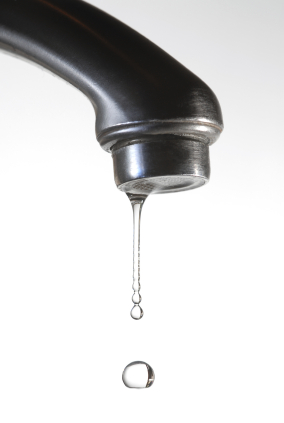
- Fix leaking taps immediately—just one drip per second wastes thousands of litres per year.
- Put a weighted bottle or displacement device in the toilet cistern to reduce water used per flush.
2. Save Water in the Kitchen
Even small adjustments can make a difference:
- Wash vegetables in a bowl instead of under a running tap.
- Repair leaky pipes under sinks.
- Only run the dishwasher when it’s full.
- Reuse greywater for plants or cleaning outdoor areas.
3. Smart Outdoor Water Saving
Gardens and outdoor areas often consume large amounts of water. Try:
- Watering before 9 AM or after 5 PM to reduce evaporation.
- Planting indigenous, drought-resistant plants.
- Using mulch to retain soil moisture.
- Installing rainwater tanks to collect and store rainwater for garden use.
4. Improve Water Storage and Filtration
If you store borehole, rainwater, or municipal backup water, ensure tanks and systems are:
- Cleaned regularly
- Protected from contamination
- Properly sealed to prevent leaks and mosquito breeding
This leads to our next essential area—water testing.
Why Should I Test My Water?
Whether you drink municipal, rainwater, borehole, river, or filtered water, water testing is crucial. Many people assume that clear water is safe—but harmful contaminants can be invisible, tasteless, and odourless.
Testing your water helps you:
- Identify bacteria, nitrates, heavy metals, and chemical contaminants
- Determine whether your filtration system is working
- Know if your water is SANS 241 compliant
- Protect your family’s health
- Ensure that stored or borehole water is truly potable
Because water quality varies greatly between regions in South Africa, professional testing is the only reliable way to know if your water is safe.
Where Can I Test My Water?
If you’re wondering “where can I test my water?” or “where can I get my water tested?”, the answer is simple:
You can get your water professionally tested anywhere in South Africa through SANS Water.
SANS Water offers:
- Full SANS 241 water safety testing
- Borehole water analysis
- Drinking water quality reports
- Microbiological and chemical testing
- Expert recommendations on treatment options
➡ Internal Link: Learn more or book a test at: https://www.sanswater.co.za
➡ Outbound Link: Explore South Africa’s water-safety standards: https://www.gov.za/documents/national-standard-drinking-water-sans-241
No matter if you’re in Johannesburg, Durban, or doing water testing Cape Town, SANS Water makes the process simple, accessible, and fast.
The Connection Between Water Saving and Water Testing
Saving water and ensuring it is safe go hand in hand. When water is scarce, many people rely on:
- Borehole water
- Tank water
- Rainwater systems
- River or dam water
While these are excellent ways to save and store water, they can also introduce contamination risks. This is exactly why professional water testing is essential for responsible water use.
Final Thoughts
South Africans can play a powerful role in protecting our country’s water resources. By adopting smart water-saving habits, regularly maintaining your systems, and making sure your water is safe through proper testing, you help build a more secure and sustainable future.
If you are asking “why should I test my water?”, the answer is simple:
Because safe water is essential—and you can only know it’s safe if you test it.
Get your water tested today with SANS Water:
👉 https://www.sanswater.co.za